The Impact of Material Flow Cost Accounting on Resource Efficiency in Small-Scale Soybean Oil Production
- University of KwaZulu-Natal, Durban
Journal of Business Management and Accounting 15(2) (2025) · https://doi.org/10.32890/jbma2025.15.2.3
Abstract
This study adopted the case study approach to examine material flow cost accounting (MFCA) as a measure of resource efficiency and environmental sustainability in small-scale soybean oil production in South Africa. Data were gathered primarily through direct observation of the soybean oil production process over three months. To achieve the study’s first objective, the Pareto chart was employed to determine and analyse the leading root cause of the negative product cost. The result of the MFCA and Pareto chart analysis found that the highest negative material cost was incurred during the oil extraction process. Therefore, the improvement plan was concentrated on reducing the negative material cost. An investigation into the root cause of these high negative costs was then carried out to seek improvement, after which improvement methods were proposed and implemented. Descriptive statistics and Microsoft Excel were employed to analyse the results obtained before and after the improvement plan implementation. The study found that applying the MFCA technique resulted in a reduction in the negative material costs from 1648.4 Rands to 1359.15 Rands; system costs reduced from 791.69Rands to 622.65 Rands; waste costs reduced from 270 Rands to 249.50 Rands, while energy cost that was expected to increase actually had a reduction from 118.94 Rands to 93.51 Rands. This study, therefore, recommends the application of the MFCA technique in small-scale soybean oil production and similar production processes.
Keywords: material flow cost accounting, cost reduction, soybean oil, waste reduction, pareto chart
INTRODUCTION
Material Flow Cost Accounting (MFCA) is a management technique that assists in improving material efficiency in production processes. MFCA measures material losses in production processes in monetary terms and emphasizes the economic benefits of resource efficiency (Schmidt & Nakajima, 2013). According to Christ and Burritt (2015), material flow cost accounting helps businesses make sustainable decisions that encourage resource efficiency while enhancing their environmental and economic performance. The technique helps organizations better comprehend the potential financial and environmental impacts of their material and energy practices. It aims to improve them by modifying these practices. It reveals inefficiencies in manufacturing processes and offers possibilities for cost reduction for the organization. While conventional cost accounting allocates all costs to the actual product (even where most of the materials used become waste), MFCA divides material costs between the positive and negative products. The positive product is the actual or intended product, while the negative product is the residual material or waste product in a production process. Most manufacturing organizations generate a significant quantity of residual materials from their production processes, and many of these organizations are beginning to understand the financial consequences. Thus, the relevant question arises of how organizations can prevent such massive waste and uncover savings opportunities. Material flow cost accounting (MFCA) offers a potential solution to this challenge. The objectives of MFCA include (1) cost and energy reduction, (2) waste control, and (3) promotion of environmental sustainability. These objectives are achieved by investigating the costs of production inefficiencies, particularly the costs of wastes and materials used in manufacturing the products (Bautista-Lazo & Short, 2013). Marota, Ritchi, Khasanah, and Abadi (2017) state that the MFCA concept has the potential to increase an organization's productivity and profit (internal benefit) while also reducing an organization's negative impact on the environment (external benefit), thereby contributing to the organization's corporate sustainability development. MFCA is standardized by ISO 14051. Application of Material Flow Cost Accounting in Various Manufacturing Processes The MFCA technique has been applied in several production processes and industries, like the stone brick manufacturing industry (Najaf, Obaid & Jappar, 2024), the Muslim fashion industry (Pranata & Adhariani, 2023), the natural rubber industry (Dunuwila, Rodrigo & Goto, 2018), steel pipe and tube manufacturing industry (Sahu, Padhy, Das & Gautam, 2021), wastewater treatment industry (Mahmoudi, Jodeiri & Fatehifar, 2017), flat-panel parts industry (Huang, Chiu, Chao & Wang, 2019), among others. In all the aforementioned industries, the MFCA application resulted in waste and energy reduction, resource efficiency and promotion of environmental sustainability. However, the application of MFCA in soybean oil production has not received much attention in the literature, presumably because it involves a lot of technicalities that some researchers may be reluctant to undertake and it also requires expertise. Soybean oil production involves several steps, including cleaning, dehulling, cracking, extracting, and refining. Each step has different input/output ratios. This intricacy makes it challenging to accurately track material movements and allocate costs in a consistent manner. Also, MFCA requires detailed, real-time data on cost and mass flow; meanwhile, many production facilities, particularly in developing countries, lack automated systems and detailed records, resulting in inaccurate data. Furthermore, because MFCA has not yet been adopted in many production processes, many organizations and business owners may resist its application as they are more familiar with conventional cost accounting. The researchers felt these were some reasons why the MFCA application has not received much attention in the literature.
Theoretically, it has been suggested in the literature that MFCA application in soybean oil production could result in cost and waste reduction as well as resource efficiency (Joel, Doorasamy & Akinola, 2024); however, there is a gap in practical applications. Therefore, this study aims to solve a practical problem by investigating the practical implementation of the MFCA technique in soybean oil production and to confirm whether or not its application will result in resource efficiency and waste reduction, as predicted. Research Objective To examine the impact of MFCA on resource efficiency in the soybean oil production process. Research Question What impact does the application of MFCA have on resource efficiency in the soybean oil production process?
LITERATURE REVIEW Soybean Oil Soybean oil is a processed form of soybean, which contains high-quality protein and amino acids (Sharma, 2023). Soybean oil is a protein source in both human and animal diets. It is consumed because of the associated health benefits and as a result, it is now widely used in a variety of food products (Subroto, Pangawikan, Yarlina & Isnaeni, 2020). Soybean oil can also be used in the manufacturing of soap, lubricants, paints, medicinal oil and sealants (Amusat & Ademola, 2013). According to Messina, Shearer & Petersen (2021), it is the most widely consumed oil around the world. Soybean Oil Extraction Methods There are two primary soybean oil extraction methods, namely the mechanical and solvent extraction methods (Lawson, Oyewumi, Ologunagba & Ojomo, 2010). The latter method is often preferred to the former because of the minimal refining it entails and the high quality of the oil obtained; however, some health and environmental concerns have been raised severally about this method because of the use of hexane, the use of which this method entails (Cheng & Rosentrater, 2017). According to these studies, hexane is hazardous, very combustible and has been linked to nervous system damage in those exposed to substantial quantities of it. Governments, regulatory bodies and communities are urging organizations to reassess their production and supply chain procedures (Gill, Shahzad, Ramalu, Iqbal & Ashraf, 2019). These concerns have sparked increased interest in the mechanical extraction method. The mechanical method entails applying pressure to extract oil mechanically from an oilseed. Although the yield is smaller compared to the solvent extraction method, the oil recovered from soybeans through mechanical pressing is of high quality, protein-rich and non-contaminated (Usenu, Aremu, Tijani, Idowu & Alade, 2021). Thus, it is a matter of quantity versus quality in the sense that although the oil obtained from the mechanical extraction method is of much better organic quality, the quantity is low compared to that obtained from the solvent extraction method. On the other hand, more quantity of oil is usually obtained from the solvent extraction method; however, as earlier stated, its quality has been thoroughly debated.
Resource Efficiency
Resource efficiency can be described as how well physical and human resources are employed to realize the desired output (Lieder, 2017). UNEP (2010) states that resource efficiency is all about ensuring natural resource production, processing and consumption in more sustainable ways. Manufacturing companies are particularly interested in seeking improvements in resource efficiency because they believe reducing the number of resources utilised in their production processes is achievable while maintaining the production system output. This would increase the value-added per resource, resulting in lower environmental impact per unit produced and lower cost. Underpinning Theory MFCA measures the flow of raw materials in monetary and physical units and identifies the source of waste generation as well as the quantities and costs of waste generated from a production process. Contingency theory, which underpins this study, is discussed below. Contingency Theory This theory posits that an organization’s accounting information system should be structured flexibly to accommodate the firm's organizational and environmental structure (Riahi-Belkaoui, 2002). The theory argues that there is no general or universal strategy for management accounting systems, but that it all depends upon specific situational factors. Riahi-Belkaoui (2002) and Kingazi, Chalu and Kitindi (2020) further state that the theory considers the effects of each firm’s organizational structure and theory, environment and technology in explaining the differences in accounting systems in various situations. Drury (2008) also argues that considering the circumstances in which the management accounting system will be used will contribute to identifying specific aspects and effectively designed systems. He further identified waste reduction as one of the situational factors faced by organizations. The flexibility in accounting systems, which the contingency theory advocates, is essential when applying the MFCA technique across various production processes, like soybean oil production, each with unique challenges and resource needs. Also, organizations encounter several challenges, such as regulatory regulations and consumers' demand for sustainability (Ismail, Zainuddin & Sapiei, 2010). According to the contingency theory, these challenges should be met with adaptive responses. MFCA facilitates this adaptability by providing data-driven insights into enhancing material efficiency tailored to the specific business context. Furthermore, the efficacy of MFCA is contingent upon variables, including technological competencies and manufacturing processes (Dahi & Abdullah, 2024). Contingency Theory supports this by asserting that optimal accounting and cost-management practices must correspond with the organization's operational and technology framework. While MFCA gives quantitative insights into resource usage and waste reduction, contingency theory guarantees that these insights are utilized in a way that corresponds to the organization's specific needs. They collaborate to promote sustainable business practices and better cost management. This theory was selected as it relates to the effectiveness of management techniques within an organization. The theory is also helpful in analyzing the impact of an organization's interaction with its internal and external environment. The relationship between Material Flow Cost Accounting (MFCA) and contingency theory stems from their emphasis on efficiency and adaptation in organizational decision-making, notably in sustainability and cost management. (Schmidt, Spieth, Haubach, & Kuhne, 2019). The distinct operational and technological challenges of soybean oil production—such as extraction method selection, environmental and regulatory pressures, cost frameworks, and material loss points—are pertinent to contingency-based decision-making, as these elements influence the optimal management accounting and operational strategies a firm should implement. Summarily, contingency theory elucidates the absence of a universal "best" operational method in soybean oil production, as the optimal approach is influenced by the specific internal and external conditions of each firm.
Studies on MFCA as a Measure for Resource Efficiency
Doorasamy (2019) examined the application of MFCA towards improving resource efficiency in the South African sugar industry. Panel data were collected from six South African sugar milling firms. Data were sourced from the firms’ annual reports and other records, especially those on production, between 1980 and 2017. A random effect regression model was used to achieve the stated objective. The findings of the study showed that MFCA had a positive impact on resource efficiency. Schmidt, Spieth, Haubach & Kuhne (2019) investigated the outcome of adopting MFCA, focusing on SWU special yarns, a textile company in Germany. In the MFCA analysis, all production costs, including the cotton and electricity costs, are offset against both the main product and all the undesired products. MFCA implementation resulted in a 2.6% increase in the company's overall turnover. Dekamin and Barmaki (2018) conducted their study on the implementation of MFCA in soybean production on some soybean farms in Iran between 2014 and 2015. Data on agronomic activities were collected through questionnaires. It was discovered that cost and energy analysis based on MFCA was efficient for soybean production. It concluded that it provided a better understanding of the relationship between environmental and economic factors through a comprehensive energy and cost assessment. Nordin (2017) examined the application of MFCA in a traditional cottage industry, specifically on batik making in Malaysia. The study found that the data from MFCA analysis can be utilized to achieve increased productivity and decrease production costs.
METHODOLOGY
This study employs case-based research methodology. To achieve the study’s objective, we implemented the process guidelines stated by EIO (2011), with slight modifications suitable for this study. Data was gathered primarily through direct observation of the soybean oil production process over four months. Over this period, four production runs were carried out; similar results were obtained each time, with minor variations. Data Analysis Descriptive statistics and Microsoft Excel were used to analyze the collected data because a large set of numbers should be presented simply. Descriptive statistics clearly describe the collected data (Hodeghatta & Nayak, 2017). Step 1: Selection of the target product The 2-litre soybean oil was selected as the target product of this study. This particular specification was chosen because it is affordable by all classes of people in society, i.e., the rich, average and poor. Step 2: Construction of the material flow model In this study, the production of soybean oil comprised eight processes. These include seed cleaning, washing and boiling, dehulling, cracking, drying, oil extraction, filtration and packaging.

*Note: In step 3, the soybeans swelled up and became more than double the original quantity after the boiling process due to water retention. This fact explains the 39.8 kg input stated in the third process.
As shown in Fig. 1 above, only six of the eight processes generated waste. Also, as seen in Figure 1, about 20kg of soybeans were required to produce about 2 litres/kg of soybean oil. The seemingly low recovery is consistent with the submission of Carlson and Garrett (2018), who stated that although soybean is classified as an oil crop, it has a higher protein content (40%) compared to oil (20%). Also, this study does not include the refining process. Process 1: Seed cleaning: Soybeans were purchased from a local market in Johannesburg, South Africa. The first step thereafter was carefully removing stones, impurities, foreign materials and deficient soybeans. This is a crucial step, as it is essential that only thoroughly clean soybeans are processed. Also, this process promotes the machine’s optimal performance and enhances oil yield and quality (Demarco & Gibon, 2020).
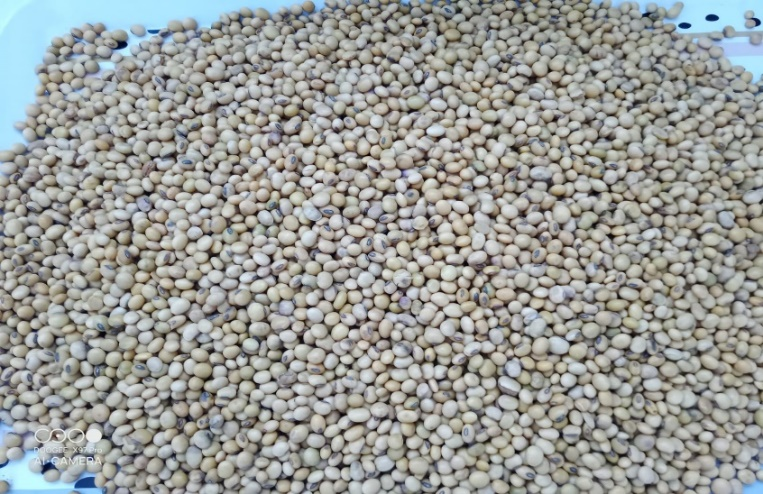
Process 2: Washing and boiling the soybeans: The soybeans were thoroughly washed and boiled for about 25 minutes to make the subsequent dehulling process more manageable and make separating the oil from the soybeans easier. While boiling the soybeans, it was observed that the beans swelled up and became more than double the original quantity. After about 25 minutes, the soybeans were scooped into a bowl containing cold water. This step neutralises any enzymes that might have contributed to the soybeans’ deterioration, prepares them for oil extraction and also aids digestibility (Wijeratne, Wang & Johnson, 2004). Boiling improves the quality and shelf life of the extracted soybean oil (Tulashie, Kotoka, Appiah, Awuah & Baiden, 2018). Process 3: Dehulling: There are three types of dehulling: cold, warm, and hot. However, the cold dehulling method was used in this study as it is considered suitable for all soybean types (Demarco & Gibon, 2020). The soybean hulls were removed by severally squeezing the beans, which had become soft, and passing the floating hulls through a strainer or sieve. This process was repeated ten times until the hulls were almost removed entirely (about 95%) from the beans. It was noted that the boiling that had previously been done made the dehulling much easier. The dehulling process is critical to obtaining a high protein level, reducing the final fibre of the soybean meal and creating a more efficient oil extraction process (Demarco & Gibon, 2020). Sangronis and Machado (2007) and Joshi and Varma (2016) also used this same dehulling method.
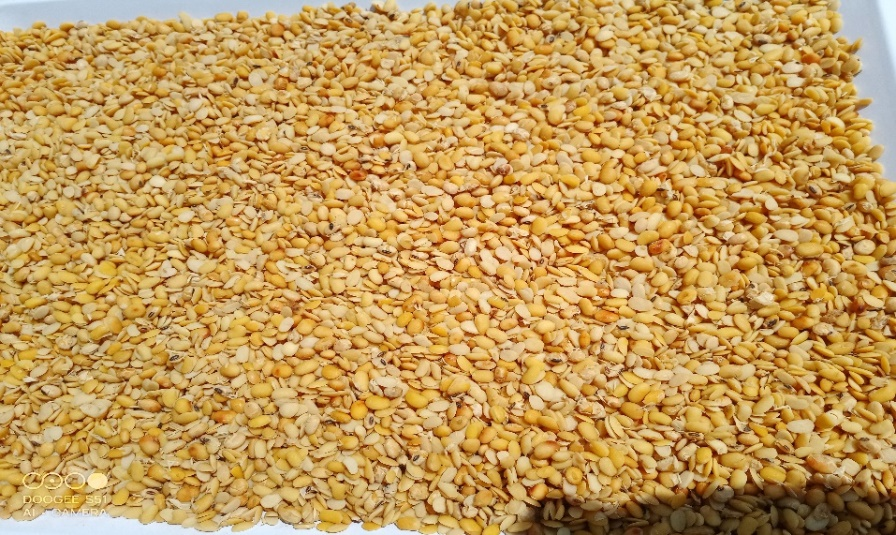
Process 4: Cracking: Each soybean was cracked into two pieces. Soybean cracking is crucial to create pieces of the appropriate size to provide the best flakes for oil extraction and to properly remove the soybean hulls (Karasulu et al., 2011). Process 5: Drying: Soybeans must be completely dry before the oil extraction step is undertaken, as this promotes oil extraction efficiency (Maciel, Wagner & Bartosik, 2022). There are two significant methods of drying soybeans: (a) natural drying/traditional (oven drying, sun drying and roasting) and (b) artificial/mechanical drying (Famurewa & Raji, 2011). Perilla, Criuz & Belaleazar (1997) state that each drying method affects soybeans' vitamin content and other nutritional composition depending on the severity of the heat, drying period and exposure to environmental pollutants. This study opted for the former because it is easy, cheap and does not require additional fuel or drying equipment purchases. However, this method's significant disadvantage is the slow drying rate, which did not pose any challenge in this study as there was no need for urgency; therefore, it was ensured that the soybeans were completely dry before proceeding. In conducting this research, the soybeans were sun-dried continuously for about a week until completely dried. It was observed that the quantity of soybeans drastically reduced after this process was undertaken.
Process 6: Oil extraction: The soybean oil extracting machine was pre-heated for about ten minutes, after which the soybeans were poured into the hopper and the extraction automatically began. It took about ten minutes to extract oil from one kilogram of soybeans. Process 7: Filtration: Filtration is a critical procedure in the purification of soybean oil, ensuring that all undesired particles are eliminated while maintaining the quality of the oil. A big filter was placed on the stainless container to filter the oil coming directly from the machine because the oil quality was relatively impure, as it contained some sediments. This step proved helpful as the filter ensured clean oil was obtained with minimal sediments.
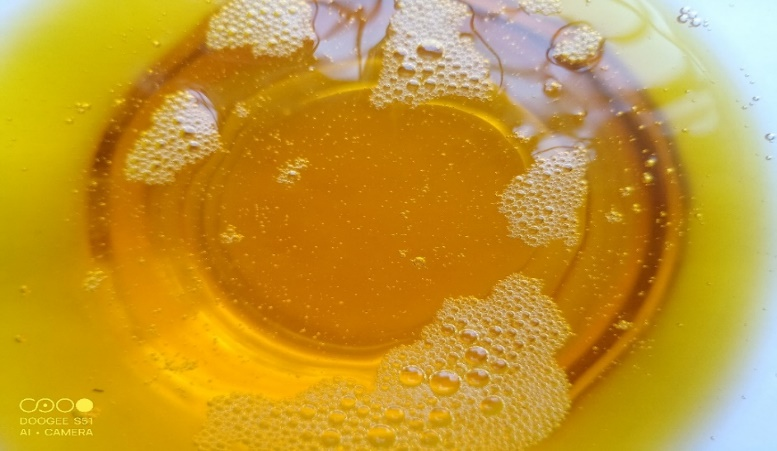
Process 8: Packaging: After separating the sediments from the filtered oil, the remaining clear, unrefined oil was promptly bottled in an airtight container. This step was necessary because soybean oil, which contains a high percentage of polyunsaturated fats, oxidizes quickly when exposed to moisture, light, traces of metals and air (Naz, Siddiqi, Sheikh & Sayeed, 2005). Care was taken not to place the soybean oil near heat sources, such as ovens or stoves, because high temperatures can cause rancidity (Bischoff et al., 2016). Step 3: Construction of a mass balance table for each process (i.e., seed cleaning, drying, dehulling, etc.). After the material flow modelling step, the next step is the material balance calculations. In this study, material balance was calculated for each of the eight processes. Table 1 presents the material balance calculations table for all the processes. The concept of mass balance was used to allocate the quantity of positive and negative material. Furthermore, the percentage from the mass balance was used to allocate positive and negative product costs of each system, energy, and waste management costs.
| Process | Unit | Input (C) | Output | |
|---|---|---|---|---|
| Positive Material Cost | Negative Material Cost | |||
| Total | (B) | (A) | ||
| Seed cleaning | Kg | 20 | 19.6 | 0.4 (400g) |
| percentage* | 100% | 98% | 2% | |
| rand | 700* | 686 | 14 | |
| Washing and Boiling | kg | 19.6 | 19.6 | 0 |
| percentage* | 100% | 100% | 0 | |
| rand | 755.03 | 755.03 | 0 | |
| Dehulling | kg | 39.8 | 30.8 | 9 |
| percentage* | 100% | 77% | 23% | |
| rand | 1,542 | 1,194 | 348 | |
| Cracking | kg | 30.8 | 30.8 | 0 |
| percentage* | 100% | 100% | 0 | |
| rand | 1,228 | 1,228 | 0 | |
| Drying | kg | 30.8 | 25.6 | 5.2 |
| percentage* | 100% | 83.1% | 16.9% | |
| rand | 1,238 | 1,029 | 209 | |
| Oil Extraction | kg | 25.6 | 5.2 | 20.4 |
| percentage* | 100% | 20.3% | 79.7% | |
| rand | 1044.21 | 211.97 | 832.24 | |
| Filtration | kg | 5.2 | 2.1 | 3.1 |
| percentage* | 100% | 40.4% | 59.6% | |
| rand | 411.35 | 166.19 | 245.16 | |
| Packaging | kg | 2.1 | 2.1 | 0 |
| percentage* | 100% | 100% | 0 | |
| rand | 168 | 168 | 0 | |
Note: (1) *The price of 1kg of soybeans is currently R35 in South Africa; therefore, 20kg amounts to R700, while soybean oil costs R36.99/kg. However, there may be fluctuations in the price of soybeans depending on agricultural yield and seasonal conditions. From Table 1 above, it can be seen that C=B+A, or C-B=A. (2) R35 was used for steps 1 to 6, while R36.99 was used for steps 7 and 8. (3) The prices of the following input items were: plastic sieve (step 3): R120 big bowl (step 4): R150 Two big trays (step 5): R160 metal sieve (step 7): R219 2-litre glass bottle (step 8): R50 Funnel (step 8): R40 (4) The R755 input cost in step 2 was gotten by calculating (R35 x 19.6) + R65 (water cost) + R4.03 (electricity cost).
Step 4: Data Collection and Preparation
Data related to the target product (soybean oil) will be collated. These include material costs, system costs, energy costs, and waste treatment costs. As earlier stated, MFCA calculates four main cost categories (EIO, 2011): material costs, System costs, energy costs and waste treatment costs. (i)
Material costs: costs of materials (including primary input materials), sub-materials introduced midstream and auxiliary materials. (ii) System costs (refers to all costs of handling in-house material flows): processing costs, including labor, depreciation, maintenance, and overhead costs. (iii) Energy costs: electricity, fuel, utilities, water, heat, compressed air, and other energy costs. (iv) Waste treatment costs: costs of handling/treating all generated waste in each process, including the cost of reworked parts and defects. Model Specification The MFCA analysis will be carried out at this stage, but it is expedient to state the model specification before this is done. Following Kasemset, Boonmee & Khuntaporn (2016), this study adopts the following model to address objective 1. The MFCA analysis will be carried out to identify costs along soybean oil production following equations (1) to (10). 𝑇𝐶𝑖 = 𝑀𝐶𝑖 + 𝑆𝐶𝑖 + 𝐸𝐶𝑖 + 𝑊𝐶𝑖 … … … … … … … . . (1) From equation (1), the cumulative total product cost (TC) at the ith process is the sum of the positive product cost (PC) from the previous process, or at the (i-1)th, and the new material, system, energy and waste management costs at the current ith process. Output/positive product cost at the ith process is the sum of the positive material cost (PMC), positive system cost (PSC) and positive energy cost (PEC), as shown in equation (2). 𝑃𝐶𝑖 = 𝑃𝑀𝐶𝑖 + 𝑃𝑆𝐶𝑖 + 𝑃𝐸𝐶𝑖 … … … … … … … . . (2) Waste/negative product cost (NC) at ith process is equal to the sum of the negative material cost (NMC), negative system cost (NSC), negative energy cost (NEC) and waste cost, as in equation (3). 𝑁𝐶𝑖 = 𝑁𝑀𝐶𝑖 + 𝑁𝑆𝐶𝑖 + 𝑁𝐸𝐶𝑖 + 𝑊𝐶𝑖 … … … … … … … . . (3) The positive and negative product costs of the system cost can be allocated as shown in equations (4) to (7). When TSCi is the cumulative total system cost at the ith process, 𝑇𝑆𝐶𝑖 = 𝑃𝑆𝐶𝑖−1 × 𝑆𝐶𝑖 … … … … … … … . . (4) Rpi is the proportion of positive product cost at the ith process calculated by direct mass balancing as shown in equation (5); 𝑅𝑝𝑖 =
𝑃𝑆𝐶𝑖 = 𝑅𝑝𝑖 × 𝑇𝑆𝐶𝑖 … … … … … … … . . (6) 𝑁𝑆𝐶𝑖 = (1 − 𝑅𝑝𝑖 ) × 𝑇𝑆𝐶𝑖 … … … … … … … . . (7) The positive and negative product costs of the energy cost can be allocated similarly, as shown in equations (8) to (10) below. TECi is the cumulative total energy cost of the ith process; 𝑇𝐸𝐶𝑖 = 𝑃𝐸𝐶𝑖−1 × 𝐸𝐶𝑖 … … … … … … … . . (8) 𝑃𝐸𝐶𝑖 = 𝑅𝑝𝑖 × 𝑇𝐸𝐶𝑖 … … … … … … … . . (9) 𝑁𝐸𝐶𝑖 = (1 − 𝑅𝑝𝑖 ) × 𝑇𝐸𝐶𝑖 … … … … … … … . . (10)
Step 5: Performing the MFCA analysis for the existing process (cost unit: Rands)
The figure itself is in the PDF version.
Figure 5 shows the material flow chart for all eight quantity centres (processes). The cost calculation was conducted in a consistent manner for all the quantity centres. The overall cost from the previous process was zero for the first quantity center (seed cleaning) because this was the first step; therefore, no cost was carried over. The process input total cost is the sum of the newly input total cost and the cost carried over from the previous process. The process input total cost was divided between the positive and negative products using the percentages calculated in Table 1. By quantifying the amount of waste generated at each process, MFCA can pinpoint the waste sources and develop strategies to reduce or prevent them (Joel, Doorasamy & Akinola, 2024). The total cost of the positive product in the first quantity center became the total cost carried over to the next quantity center, and this calculation was repeated for the remaining quantity centers. After the cost computation, the total costs of positive and negative products from each cost center were added. Table 2 presents a summary of the MFCA results. Step 6: Identification of the problem and improvement points The cost allocation results for this product (soybean oil) can be concluded in Table 2.
| Material Cost (MC) | System Cost (SC) | Energy Cost (EC) | Waste Cost (WC) | Total | |
|---|---|---|---|---|---|
| Input Cost | 1816.40 | 930 | 126.23 | 270 | 3142.6 |
| 58% | 30% | 4% | 8% | 100% | |
| Positive Cost | 168 | 138.3 | 7.27 | 0 | 313.57 |
| 54% | 44% | 2% | 0 | 100% | |
| Negative Cost | 1648.4 | 791.69 | 118.94 | 270 | 2829.03 |
| 58% | 28% | 4% | 10% | 100% |
The results in Table 2 show that the total cost of this production was 3,142.63 Rands, consisting of MC as 1816.40 Rands (58%), SC as 930.00 Rands (30%), EC as 126.23 Rands (4%) and WC as 270.00 Rands (8%). The total cost is allocated as 313.57 Rands as the cost of the positive product and 2829.03 Rands as the cost of the negative product.

Table 2 and Figure 6 show that the most significant portion of negative product cost was MC at 58%, followed by SC at 28%, WC at 10% and EC at 4%. Therefore, the improvement plan was concentrated on reducing the negative cost of MC. Based on mass balancing in cost allocation, when MC was reduced, the reduction of waste material quantity resulted in a reduction in EC, SC and WC, respectively. The next step was to reduce MC with the highest negative cost percentage. An investigation into the root cause of this high negative cost was carried out to seek improvement, after which improvement methods were proposed and introduced. Step 7: Proposal/Introduction of the improvement plan into the production process To determine the main root cause of the negative MC, the Pareto chart was employed to analyze the material waste from all the quantity centres (processes). Figure 8 depicts the Pareto chart for the entire production process, used to identify potential root causes of large waste in each process.

The Pareto chart in Figure 7 above shows that the most significant waste was generated from the oil extraction process. Based on the Pareto 80:20 rule, the blue line drawn by the researcher was to show which of the processes required urgent attention and in this study, the two processes to the left of the blue line are oil extraction and dehulling. This indicates that these are the priority areas in the entire soybean oil production process. Although attention should also be paid to the filtration, drying and seed cleaning processes because waste was also generated; however, more attention should be paid to the first two processes. The waste generated from the dehulling process was the soybean hulls. According to Demarco and Gibon (2020), the dehulling process is critical to obtaining a high protein level, reduction of the final fibre of the soybean meal and for a more efficient oil extraction process. The more the quantity of soybeans, the more the quantity of soybean hulls, so not much can be done to ensure a reduction in the waste quantity. However, the soybean hulls could be processed into a by-product for animal feed. These hulls are environmentally-friendly and also contain sufficient nutritious content, high dry matter intake, and easily digested nutrients to meet the needs of animals (Shuaib, Hafeez, Islam, Shah & Ullah, 2023; Chellapandian, 2019). Therefore, this study opted to concentrate on the oil extraction process.
| Index | Count | Mean | Std | Min | 25% | 50% | 75% | Max | Range |
|---|---|---|---|---|---|---|---|---|---|
| MC | 3 | 1210.93 | 907.104 | 168 | 908.2 | 1648.4 | 1732.4 | 1816.4 | 1648.4 |
| SC | 3 | 619.997 | 422.855 | 138.3 | 464.995 | 791.69 | 860.845 | 930 | 791.7 |
| EC | 3 | 84.1467 | 66.6769 | 7.27 | 63.105 | 118.94 | 122.585 | 126.23 | 118.96 |
| WC | 3 | 180 | 155.885 | 0 | 135 | 270 | 270 | 270 | 270 |
| Total Cost | 3 | 2095.07 | 1550.77 | 313.57 | 1571.3 | 2829.03 | 2985.82 | 2829.03 | 2829.03 |
The data in Table 3 reflect high variability across several categories, especially in MC and Total Cost, both of which have high means and ranges. WC and EC show smaller variances but still contribute significantly to the total cost variability. This analysis establishes a baseline of comparison with the data after MFCA implementation. Step 8: Improvement Proposal and Planning It was observed that the highest quantity of material waste was generated during the oil extraction process. Several causative factors were identified. However, it must first be stated that it has been established in the literature that soybeans contain low oil content, about 18-24% (Gulluoglu, Bakal & Arioglu, 2024); therefore, the ratio of the extracted oil to the waste produced was no surprise. However, this process must still be adequately maximized to avoid unnecessary waste. This study found that the time for preheating the machine was critical for optimal soybean oil production. It was also found that warmer temperatures directly impacted the soybeans, which then also impacted the oil yield. Increased oil yield will reduce waste production, while reduced oil yield will increase waste production. The study also found that producing soybean oil during warmer temperatures reduced the quantity of waste generated. The study further found that re-inputting the soybean oil cake into the machine increased oil yield and reduced the quantity and weight of the waste produced.

In the oil extraction process, about 20.4 kg of waste was generated from the 25.6 kg of soybeans inputted into the soybean oil extracting machine. This waste, commonly called soybean oil cake, remains after extracting oil from soybeans. While maize is the primary energy source in pig diets, soybean oil cake is the primary protein source; it is also rich in amino acids, such as tryptophan and lysine (Cronje, 2019). According to Zamindar et al., (2017), soybean oil cake consists of several chemical constituents: crude fat, ash, moisture, crude protein and fiber. Soybean oil cake is also a promising ingredient for bread and other baked products (Mashanova et al., 2024). The most predominant demand for soybean oil cake is from the animal feed industry. As of 2015, domestic soybean oil cake production accounted for only 10% of total domestic soybean oil cake consumption, with over 90% imported from Argentina (Dlamini, 2015). Step 9: Evaluation of the improvement plan by repeating the MFCA analysis and comparing the results. The improvement solution was evaluated by repeating the MFCA analysis, as shown in Table 4 below.
| Input | Positive | Negative | |
| Before (kg) | 25.6 | 5.2 | 20.4 |
| Before (%) | 100% | 20.3% | 79.7% |
| Before (Cost) | 1044.21 | 211.97 | 832.24 |
| After (kg) | 25.6 | 12.4 | 13.2 |
| After (%) | 100% | 48% | 52% |
| After (Cost) | 1044.21 | 501.22 | 542.99 |
Table 4 shows that negative material cost decreased from 79.7% to 52%, resulting in a 289.25 Rands reduction from 832.24 to 542.99 Rands. Also, the positive material cost increased from 20.3% to 48% after implementing the improvement plan. This increase was due to the repeated input of the soybean oil cake to ensure maximal oil extraction. As previously stated, increased oil yield resulted in reduced waste generation and vice versa. The next step is to examine the impact of the implementation of the improvement plan on the entire soybean oil production process.
| Material Cost (MC) | System Cost (SC) | Energy Cost (EC) | Waste Cost (WC) | Total | |
|---|---|---|---|---|---|
| Input Cost | 1527.15 | 945 | 140.23 | 240 | 2852.38 |
| 54% | 33% | 5% | 8% | 100% | |
| Positive Cost | 168 | 145.8 | 15.27 | 0 | 329.07 |
| 51% | 44% | 5% | 0 | 100% | |
| Negative Cost | 1359.15 | 799.2 | 124.96 | 240 | 2523.31 |
| 54% | 32% | 4% | 10% | 100% |
Table 5 above shows the impact of the implementation of the improvement plan on the entire soybean oil production process. Comparing Tables 2 and 5, it is evident that the total production cost reduced from 3142.63 Rands to 2852.38 Rands, amounting to 290.25 cost savings. Total positive cost increased from 313.57 Rands to 329.07 Rands, while the total negative cost reduced from 2829.03 Rands to 2523.31 Rands. Expectedly, EC increased from 126.23 Rands to 140.23 Rands and SC also increased from 930 Rands to 945 Rands, while WC reduced from 270 Rands to 240 Rands. Table 6 below provides an overview of the central tendency and spread of each cost category after the implementation of MFCA.
| Index | Count | Mean | Std | Min | 25% | 50% | 75% | Max | Range |
|---|---|---|---|---|---|---|---|---|---|
| MC | 3 | 1018.1 | 740.985 | 168 | 763.575 | 1359.15 | 1443.15 | 1527.15 | 1359.15 |
| SC | 3 | 630 | 425.619 | 145.8 | 472.5 | 799.2 | 872.1 | 945 | 799.2 |
| EC | 3 | 93.4867 | 68.1665 | 15.27 | 70.115 | 124.96 | 132.595 | 140.23 | 124.96 |
| WC | 3 | 160 | 138.564 | 0 | 120 | 240 | 240 | 240 | 240 |
| Total Cost | 3 | 1901.59 | 1371.74 | 329.07 | 1426.19 | 2523.31 | 2687.85 | 2852.38 | 2523.31 |
After implementing MFCA, there are several noticeable changes: Reduction in Material and Total Costs: Both the mean of MC and total costs decreased, suggesting some cost savings from MFCA implementation. Slightly Lower Variability: For most categories, there was a slight decrease in standard deviation and range, indicating improved consistency in costs. Stable System and Energy Costs: The SC and EC showed only minimal changes in mean and variability, implying limited impact from MFCA on these aspects. Overall, the results of the descriptive statistics showed that the implementation of the MFCA technique contributed to a reduction in costs and a slight improvement in cost consistency, especially for MC and total costs.

Positive Before Positive After (%) Negative Before Negative After (%) (%) (%) MC
SC
EC
WC
Source: Authors’ computation (2024)
Figure 9 presents the comparison of costs before and after the implementation of the improvement plan. The comparison showed that the percentage of positive material cost increased from 51% to 58%, while the negative material cost percentage reduced from 58% to 54%. The positive EC increase from 2% to 5% was a result of an increase in electricity cost arising from the implementation of the improvement plan.
DISCUSSION, CONCLUSION AND FURTHER STUDY
This study showed the application of MFCA in the soybean oil production process as a case study. The target product was soybean oil, which entailed eight processes. The MFCA application enabled the quantification of material losses both in physical and monetary terms. The physical unit used was kilograms (kg), while the monetary unit was Rands, the national currency of South Africa, where the study was carried out. The results from the MFCA analysis showed that the highest negative product cost was MC at approximately 58%, which was mainly incurred during the oil extraction process. The Pareto chart analysis also highlighted this, showing that the most significant amount of waste was generated during the sixth process, oil extraction. This result is consistent with the results obtained by Wang, Kuo, Song, Hu and Zhang (2017) in a study on the application of the MFCA technique in printed circuit board manufacturing, where it was found that the most significant material losses were incurred during the machining and wiring processes, compared to other processes. The result of the analysis is also consistent with the result obtained by Kasemset, Chernsupornchai and Pala-ud, (2015) in another study on the application of the MFCA technique in a textile factory in Thailand, which showed that the highest negative material losses were incurred during the cutting process. Also, the result of the analysis is consistent with the result obtained in a study by (Chaiwan, Boonmee, & Kasemset (2015) on the application of the MFCA technique in the meat processing industry, which showed that the highest negative material losses were incurred during the first process, the raw material preparation process.
The study found that (1) the time for pre-heating the machine was critical for optimal soybean oil production. (2) It was also found that warmer temperatures directly impacted the soybeans and the oil yield. Increased oil yield will result in reduced waste production, while reduced oil yield will result in increased waste production. (3) The study also found that producing soybean oil during warmer temperatures reduced the quantity of waste generated. (4) The study further found that re-inputting the soybean oil cake into the machine increased oil yield and reduced the quantity and weight of the waste produced. The MFCA analysis was then recalculated and the results revealed that the total input cost decreased from 3142.63 to 2852.38 Rands. Although MC reduced from 1816.40 Rands to 1527.15.00 Rands, EC increased from 126.23 Rands to 140.23 Rands due to the repeated input of the soybean oil cake to ensure maximal oil extraction. The increased EC was also due to the extended pre-heating duration. WC reduced from 270.00 Rands to 240 Rands because, as previously stated, increased oil yield resulted in reduced waste generation and vice versa. The result of the descriptive statistics carried out also corroborated all these results. Limitations of the Study The study encountered the challenge of acquiring precise data for every stage of the production process, like energy consumption, steam from the boiling process, moisture loss during the drying process and air pollution during the oil extraction process. Including more variables like energy efficiency ratio, the impact of different soybean varieties, or the environmental footprint (water usage, carbon emissions, among others) could have made the study more robust. However, there was a limitation because of data unavailability, considering that this is a pioneer study in the field of MFCA application in soybean oil production. Also, conducting the study for a more extended period to gather more data could have added more value to the study. This would have allowed the researchers to identify seasonal variations, like the impact of climatic conditions on fluctuations in soybean oil yield. It could have also enabled the researchers to study the long-term impact of the soybean oil production process on the environment. Furthermore, conducting the study for a more extended period would have produced more data, resulting in more robust statistical analysis and more substantial conclusions. However, because of time and financial constraints and also because soybean oil production entailed numerous processes, which the researcher solely undertook, data collection was limited to four months. The inability to quantify direct sunlight as an energy source was another limitation, considering that the study opted for sundrying as the drying method for the soybeans. The researchers also acknowledge the fact that the size and type of oil extracting machine used in soybean oil production often directly impact oil yield. However, since this research was conducted on a small scale, the machine used for this study was considered appropriate and due care was exercised to ensure maximum oil yield. Recommendation for Further Study Further research could be carried out on the application of the MFCA technique in soybean oil production by incorporating additional processes to the ones undertaken in the current study, depending on the scale of production. This might impact the results of the MFCA analysis. As earlier stated, the study covered only the pre-processing and processing aspects of soybean oil production but did not cover the refining aspect. Also, the MFCA technique could be applied in the production of other edible oils, like groundnut oil, sunflower oil, and corn oil, among others. The study also recommends the inclusion of more variables when undertaking similar research. Furthermore, extending the data collection period is recommended as this will make for a more robust study. Future research evaluating the long-term financial benefits of MFCA-based process improvements can achieve this by integrating quantitative financial analysis with longitudinal operational data, concentrating on return on investment (ROI), payback period, cost recovery, and sustainability performance. This could be achieved by tracking financial KPIs (like ROI, payback period and net present value) before and after MFCA implementation, utilization of benchmarking or control groups to examine causality by comparing firms that implement MFCA with similar non-adopting firms over time (quasi-experimental design) or measuring or benchmarking improvements against industry norms or standards. Also, life cycle cost analysis could be applied to evaluate total costs over the process lifecycle instead of focusing only on short-term cost savings. Life cycle cost analysis is especially effective in capital-intensive businesses like soybean oil processing.
ACKNOWLEDGMENT
This research received no specific grant from any funding agency.
References
- Amusat, A., & Ademola, A. (2013). Utilisation of soybean in Oniyo Community of Oyo State, Nigeria. Global Journal of Science Frontier Research, 13(7), 1.0.
- Bautista-Lazo, S., & Short, T. (2013). Introducing the all seeing eye of business: A model for understanding the nature, impact and potential uses of waste. Journal of Cleaner Production, 141-150.
- Bischoff, T., Coelho, S., Schoeninger, V., Cassol, F., Do Prado, N., & Christ, D. (2016). Technological quality of soybean oil obtained from stored grain under controlled environmental conditions. Journal of the Brazilian Association of Agricultural Engineering, 145-1156.
- Amusat, A., & Ademola, A. (2013). Utilisation of soybean in Oniyo Community of Oyo State, Nigeria. Global Journal of Science Frontier Research, 13(7), 1.0.
- Carlson, K., & Garrett, R. (2018). Environmental impacts of tropical soybean and palm oil crops. Oxford Research Encyclopedia of Environmental Science.
- Chaiwan, W., Boonmee, C., & Kasemset, C. (2015). Waste reduction in meat processing industry: The application of MFCA (ISO 14051). In V. Kachitvichyanuku, K. Sethanan, & P. Golinska-Dawson, Toward Sustainable Operations of Supply Chain and Logistics Systems, https://doi.org/10.1007/978-3-319-19006-8_12 (183-193). Springer, Cham.
- Chellapandian, M. (2019). Nutritional evaluation of soybean hulls in sheep. Journal of Entomology and Zoology Studies, 408-410.
- Cheng, M., & Rosentrater, K. (2017). Economic feasibility analysis of soybean oil production by hexane extraction. Industrial Crops & Products, 108 (2017), 775-785.
- Chompu-inwai, R., Jaimjit, B., & Premsuriyanunt, P. (2014). A combination of material flow cost accounting and design of experiments techniques in an SME: The case of a wood products manufacturing company in Northern Thailand. Journal of Cleaner Production.
- Christ, K., & Burritt, R. (2015). Material flow cost accounting: a review and agenda for future research. Journal of Cleaner Production, 1378-1389.
- Cronje, C. (2019). A Comparison of In Vitro Quality Parameters and Digestibility Between Locally Produced and Imported Soya Oilcake Meal Destined for the South African Pig Industry. Pretoria: University of Pretoria.
- Dahi, H., & Abdullah, H. (2024). Application of material flow cost accounting technology to support green productivity and its reflection in achieving sustainable development. Journal of Information Systems Engineering and Management, 9(1), 24815, https://doi.org/10.55267 /iadt.07.14314.
- Dekamin, M., & Barmaki, M. (2018). Implementation of material flow cost accounting (MFCA) in soybean production. Journal of Cleaner Production, 459-465.
- Demarco, A., & Gibon, V. (2020). Overview of the soybean process in the crushing industry. OCL 27: 60.
- Dlamini, M. (2015, May 9). Soya-Bean Oil-Cake & Other Solid Residues, Whether or Not Ground or Pellet. Trade and Investment Article, KwaZulu-Natal. Retrieved from https://exportkzn.co.za/resources/docs/product_fact_sheets/pfs_Soya-bean_Oil_2016-05-09_0. 24474600_ 462876099.pdf
- Doorasamy, M. (2019). Material Flow Cost Accounting Practices and Resource Efficiencies in South African Sugar Industry. KwaZulu-Natal, South Africa.
- Drury, C. (2008). Management and Cost Accounting. United Kingdom.
- Dunuwila, P., Rodrigo, L., & Goto, N. (2018). Sustainability of natural rubber processing can be improved: A case study with crepe rubber manufacturing in Sri Lanka. Resources, Conservation and Recycling, 417-427.
- EIO. (2011). http://www.meti.go.jp. Retrieved from http://www.meti.go.jp.
- EL-Shabrawy, T., & Al-Rajh, M. (2020). A simple device for barnyard seeds purification to use it as feeder for small birds. Journal of Soil Sciences and Agricultural Engineering Vol 11(6), 157-161.
- Famurewa, J., & Raji, A. (2011). Effect of drying methods on the physico-chemical properties of soyflour. African Journal of Biotechnology, 10(25), 5015-5019.
- Gill, A.A., Shahzad, A., Ramalu, S.S., Iqbal, F., & Ashraf, I. (2019). Influence of green supply chain management practices on operational performance: An empirical study amongst Pakistani Textile Manufacturers. Journal of Business Management and Accounting, 9(1), 55-72.
- Gulluoglu, L., Bakal, H., & Arioglu, H. (2024). Oil content and composition of soybean genotypes grown in different growing seasons under mediterranean conditions. Journal of Environmental Biology, March 2018, 39, 211-215.
- Hodeghatta, U., & Nayak, U. (2017). Business Analytics Using R - A Practical Approach. Bangalore, Karnataka, India: Springer Science and Business Media, New York.
- Huang, S., Chiu, A., Chao, P., & Wang, N. (2019). The application of material flow cost accounting in waste reduction. Sustainability.
- IEA. (2019). Material efficiency in clean energy transitions. Paris: CC BY 4.0.
- Ismail, K., Zainuddin, S., & Sapiei, N. (2010). The use of contingency theory in management and accounting research. Journal of Accounting Perspectives, 3, 22-37.
- Joel, A., Doorasamy, M., & Akinola, G. (2024). Application of material flow cost accounting to soybean oil production process: A systematic review. Journal of Accounting and Finance in Emerging Economies, 165-176.
- Joshi, P., & Varma, K. (2016). Effect of germination and dehulling on the nutritive value of soybean. Nutrition & Food Science, 6(4), 595-603.
- Karasulu, H., Karasulu, E., Büyükhelvacıgil, M., Y. M., Ertugrul, A., Büyükhelvacıgil, K., Gazel, N. (2011). Soybean oil: Production process, benefits and uses in pharmaceutical dosage form, soybean and health. In H. El-Shemy, Soybean and Health (283-310). Croatia: Intech.
- Kasemset, C., Boonmee, C., & Khuntaporn, P. (2016). Application of MFCA and ECRS in waste reduction: A case study of electronic parts factory. 2016 International Conference on Industrial Engineering and Operations Management (1844-1853). Kuala Lumpur, Malaysia: IEOM Society International.
- Kasemset, C., Chernsupornchai, J., & Pala-ud, W. (2015). Application of MFCA in waste reduction: Case study on a small textile factory in Thailand. Journal of Cleaner Production 108, 1342-1351.
- Kingazi, G., Chalu, H., & Kitindi, E. (2020). The relationship between organizational characteristics variables and management accounting system attributes in manufacturing firms. Business Management Review, 24(1), 50-70.
- Lawson, O., Oyewumi, A., Ologunagba, F., & Ojomo, A. (2010). Evaluation of the parameters affecting the solvent. ARPN Journal of Engineering and Applied Sciences, 5(10), 51-55.
- Lieder, M. (2017). Studies, developments and recommendations for industrial implementation of circular manufacturing systems. Stockholm: KTH Royal Institute of Technology; School of Industrial Engineering and Management; Department of Production Engineering.
- Maciel, G., Wagner, J., & Bartosik, R. (2022). Drying of soybean seeds and effect on protein quality and oil extraction efficiency by extruding-expelling process. Food Science and Technology.
- Mahmoudi, E., Jodeiri, N., & Fatehifar, E. (2017). Implementation of material flow cost accounting for efficiency improvement in Wastewater Treatment Unit of Tabriz Oil Refining Company. Journal of Cleaner Production, 530-536.
- Marota, R., Ritchi, H., Khasanah, U., & Abadi, R. (2017). Material flow cost accounting approach for sustainable supply chain management system. International Journal of Supply Chain Management, 33-37.
- Mashanova, N., Aimagambetova, R., Satayeva, Z., Smagulova, M., Ibzhanova, A., & Karimova, G. (2024). Prospects for the use of soyan cake in the Production of Rye and Wheat Bread. BIO Web of Conferences, 85, 01033 (2024). Astana, Kazakhstan.
- Messina, M., Shearer, G., & Petersen, K. (2021). Soybean oil lowers circulating cholesterol levels and coronary heart disease risk, and has no effect on markers of inflammation and oxidation. Nutrition 89 (2021) 111343.
- Najaf, H., Obaid, A., & Jappar, M. (2024). Applying material flow cost accounting(MFCA)to improve both production processes and environmental performance: Applied study at Najaf Thermal Brick Manufacturing Plant. Kurdish Studies, 2298-2308.
- Naz, S., Siddiqi, R., Sheikh, H., & Sayeed, S. (2005). Deterioration of olive, corn and soybean oils due to air, light, heat and deep-frying. Food Research International, 127-134.
- Nordin, N. (2017). Material flow cost accounting for a traditional cottage industry: Batik. Kuala Lumpur, Malaysia.
- Perilla, N., Criuz, M., & Belaleazar, F. (1997). Effect of temperature of wet extrusion on the nutritional value of full-fat soybean for broiler chickens. Poultry Science 38, 412-416.
- Pranata, M., & Adhariani, D. (2023). Analysis of the potential implementation of material flow cost accounting (MFCA) in Muslim Fashion SMEs Y. International Journal of Financial Accounting and Management, 97-111.
- Riahi Belkaoui, A. (2002). Behavioral management accounting. Westport, USA: Greenwood publishing group.
- Sahu, A., Padhy, R., Das, D., & Gautam, A. (2021). Improving financial and environmental performance through MFCA: A SME case study. Journal of Cleaner Production.
- Sangronis, E., & Machado, C. (2007). Infuence of germination on the nutritional quality of phaseolus vulgaris and cajanus cajan. Journal of Food Science, Agriculture and Technology, 40(1), 116-120.
- Schmidt, M., & Nakajima, M. (2013). Material flow cost accounting as an approach to improve resource efficiency in manufacturing companies. Resources, 358-369.
- Schmidt, M., Spieth, H., Haubach, C., & Kuhne, C. (2019). Best practice case of SWU special yarns GmbH & Co. KG. in 100 Pioneers in Efficient Resource Management -Best Practice Cases from Producing Companies.
- Sharma, H. (2023). Potential health benefits of soybean and its value addition: A review. The Pharma Innovation Journal, 2732-2736.
- Shuaib, M., Hafeez, A., Islam, Z., Shah, A., & Ullah, S. (2023). Effect of dietary inclusion of soybean hulls in the diet on feed proximate analysis, egg quality parameters and economics during peak egg production stages in laying hens. Pakistan Journal of Zoology, 1309-1315.
- Subroto, E., Pangawikan, A., Yarlina, V., & Isnaeni, N. (2020). Characteristics, purification, and the recent applications of soybean oil in fat-based food products: A review. International Journal of Emerging Trends in Engineering Research, 3003-3011.
- Tulashie, S., Kotoka, F., Appiah, A., Awuah, P., & Baiden, B. (2018). Effects of roasting and boiling on the yield, quality and oxidative stability of extracted soya bean oil. Thermal Science and Engineering 1.
- UNEP. (2010). Resource Efficiency; United Nations Environment Programme. United Nations Environment Programme. Retrieved from http://www.unep.org/resourceefficiency.
- Usenu, A., Aremu, M., Tijani, I., Idowu, A., & Alade, A. (2021). Optimization and kinetic study of soybean oil extraction rate with ternary solvents mixture. LAUTECH Journal of Civil and Environmental Studies, 6(1), 88-103.
- Wang, Y.-X., Kuo, C.-H., Song, R., Hu, A., & Zhang, S.-S. (2017). Potentials for improvement of resource efficiency in printed circuit board manufacturing: A case study based on material flow cost accounting. Sustainability, 9, 907, doi:10.3390/su9060907.
- Wijeratne, W., Wang, T., & Johnson, L. (2004). Extrusion-based oilseed processing methods. In N. Dunford & H. Dunford, Nutritionally Enhanced Edible Oil Processing (71-88). New York: AOCS Press, Urbana, IL 61802.
- Zamindar, N., Bashash, M., Khorshidi, F., Serjouie, A., Shirvani, M., Abbasi, H., & Sedaghatdoost, A. (2017). Antioxidant efficacy of soybean cake extracts in soy oil protection. Journal of Food Science and Technology, 2077-2084.