Implementation of Enterprise Risk Management as a Strategy for Increasing Competitive Advantage: Study at Companies in Central Kalimantan
- Faculty of Business, Widya Mandala Catholic University
Journal of Business Management and Accounting 15(1) (2025) · https://doi.org/10.32890/jbma2025.15.1.4
Abstract
This research investigated the impact of Enterprise Risk Management (ERM) and organizational culture on competitive advantage (CA) in cigarette companies in Kalimantan. Through in-depth interviews with three key informants (a branch manager, a sales supervisor, and a finance account manager), the study revealed that effective ERM, particularly in managing external risks like regulatory changes and market fluctuations and internal risks such as operational challenges and HR issues, is crucial for achieving CA. Additionally, an organizational culture that fosters innovation, risk-based performance assessment, and effective HR management significantly contributes to the success of ERM and strengthens CA. Companies can better manage risks and enhance their competitive position by adapting to market changes and embracing innovation. While this research offers valuable insights, its generalizability may be limited due to its focus on cigarette companies in Central Kalimantan and its relatively small sample size. Future research could broaden the scope to include a broader range of companies and regions to gain a more comprehensive understanding. This study's original contribution lies in exploring the interplay between ERM and organizational culture in the context of CA in the cigarette industry. The findings emphasize the importance of integrating risk management and organizational culture as a strategic approach to maintain and strengthen competitive advantage, providing valuable implications for research and practice in this field.
Keywords: Risk management, competitive advantage, cigarettes company, organization culture, ERM
INTRODUCTION
Sustainability and company competitiveness are increasingly essential aspects of the modern business world. In the era of globalization and rapid technological development, companies must be more adaptive and innovative to survive and develop. Enterprise Risk Management (ERM) is a practical approach to dealing with various risks that can hinder achieving the company's strategic goals. ERM allows companies to systematically identify, assess, and manage risks to reduce negative impacts and maximize existing opportunities (Gatzert & Martin, 2015). One industry that is very complex and influenced by various environmental factors, both internal and external, and has a high level of uncertainty is the oil and gas industry. Various factors, such as world oil prices, political stability in producing countries, and industry failure to achieve production targets, contribute to high levels of uncertainty in this industry (Javaid & Aslam, 2021). This is also quite relevant in companies full of uncertainty, such as cigarette manufacturing and distribution companies. In the context of modern business, companies face a variety of increasingly complex risk factors, including globalization, environmental changes, technological advances, and changes in corporate governance (Gatzert & Martin, 2015; Javaid & Aslam, 2021; Tekathen & Dechow, 2013). Companies must develop comprehensive and effective risk management systems to address these challenges. ERM is a systematic approach to identifying, evaluating, and managing various strategic, operational, and financial risks organizations face. This approach helps in risk mitigation and allows companies to improve resource allocation more efficiently and use assets better (Hoyt & Liebenberg, 2011; Wu & Olson, 2015). On the other hand, the cigarette manufacturing and distribution industry in Central Kalimantan faces very specific and urgent challenges that make implementing risk management crucial. The main challenges faced include regulatory uncertainty that frequently changes, fluctuations in market demand caused by anti-smoking campaigns, and intense competition in local and national markets. In addition, companies in this industry must face significant operational risks, including supply chain disruptions and raw material price volatility. The inability to manage these risks effectively can result in significant financial losses, threaten business sustainability, and reduce a company's competitiveness in the marketplace (Saeidi et al., 2019, 2021). The dynamic business environment requires cigarette companies to develop an adaptive corporate culture where employees are encouraged to innovate and quickly respond to market changes. However, many cigarette companies must implement practical risk management principles to face emerging challenges fully. Companies must deeply understand their customers' needs and preferences to design appropriate products and marketing strategies to succeed. Maintaining an efficient supply chain ensures product availability and minimizes production costs. Key factors such as product innovation, quality, and customer relationships must also be managed strategically to build and maintain a competitive advantage in a highly competitive market (Nonaka et al., 2014). A solid organizational culture supports ERM implementation (Kimbrough & Componation, 2009; Thomya & Saenchaiyathon, 2015). A culture that supports ethical and strategic decision-making can strengthen a business mission and increase organizational efficiency (Taneja et al., 2015). Adjustments to organizational culture can improve overall company performance by supporting better adaptation to change and challenges (Handari Wahyuningsih et al., 2019; Majeed et al., 2021). Measuring company performance, often carried out through financial ratios such as Return on Assets (ROA), is essential for assessing the effectiveness of operational management. A decline in financial performance often indicates a loss of competitive advantage, which can negatively impact a company's position in the market (Shahnia et al., 2020). Research shows that a good risk management strategy and an effective business strategy significantly contribute to a company's competitive advantage and long-term performance. (Majid et al., 2022; Saputra et al., 2023; Yang et al., 2018a)Thus, implementing practical risk management principles and adapting organizational culture becomes critical to ensuring success and sustainability. Companies in this challenging industry (Otero González et al., 2020; Sax & Andersen, 2019). This research used a case study approach to explore the application of risk management as a strategy to increase competitive advantage in cigarette manufacturing and distributor companies in Central Kalimantan. This research explores the application of risk management as a strategy to increase competitive advantage in Central Kalimantan cigarette manufacturing and distributor companies. The main objectives of this research can be categorized into two research questions (RQ), namely: RQ1: Identifying the influence of implementing ERM on achieving CA in the company. RQ2: Identifying the influence of organizational culture towards ERM and CA in the company. This research is expected to provide significant contributions both academically and practically. Academically, this research will enrich the literature on risk management and business strategy, focusing on cigarette companies in Central Kalimantan. The results of this research will provide new insights into how ERM can be implemented effectively to increase a company's competitive advantage. Practically, the findings of this research can be used by managers and decision-makers in cigarette companies to design and implement better risk management strategies. Thus, this research is helpful for academics and practitioners in related companies, helping them to face business challenges better and achieve long-term sustainability (Anton & Nucu, 2020; Nonaka et al., 2014).
LITERATURE REVIEW Enterprise Risk Management (ERM) ERM is a comprehensive approach to understanding and managing a company's risks systematically and systematically. The main goal of ERM is to ensure that business strategies are aligned with established risk tolerances and improve understanding of risks that may affect company performance (Tan & Lee, 2022). ERM covers a variety of processes, including risk identification, risk assessment, development of risk management strategies, implementation of risk management measures, and ongoing monitoring and review (Jankensgård, 2019; Ricardianto et al., 2023; Yang et al., 2018a). The main advantage of ERM is its ability to respond to the dynamics of changing business environments, enabling companies to identify and respond to risks that are new or develop over time (Jankensgård, 2019). Through a thorough understanding of risk, companies can design more adaptive and responsive strategies to changing market conditions (Olaniyi et al., 2023; Wong, 2020). Apart from that, ERM also provides benefits by increasing resilience to risk, reducing potential financial losses, protecting the company's reputation, and maintaining stakeholder trust (Crovini et al., 2021). According to Hristov et al. ( 2024), ERM can help companies achieve their strategic goals by identifying and managing risks that can affect these achievements. In addition, ERM also contributes to company performance through effective financial risk management, which can protect asset value, optimize financial performance, and create stability amidst changing market conditions (Anton & Nucu, 2020; Noradiva Hamzah et al., 2022; Titman et al., 2017).
According to the ISO 31000:2009 standard, risk and risk management are intended to resolve inconsistencies and ambiguities among the various existing approaches and definitions (Wicaksono, 2020). Exemplary ERM implementation involves analyzing risk behavior, recognizing and prioritizing risks, and determining which risks are acceptable and should be avoided (Aryista Dewi et al., 2024). COSO (2004) states that ERM helps align risk appetite and strategy, improve response to risk, integrate management ideas, strengthen corporate governance, reduce operational surprises and losses, gain opportunities, and reduce undesirable performance. As corporate risk management evolves, ERM seeks to overcome the shortcomings of traditional risk management methods by shifting the focus from defensive risk management to a broader strategic perspective (Elsayed et al., 2011; Hoyt & Liebenberg, 2011; Kraus et al., 2023). The definition of ERM by COSO (2004) highlights that ERM is a process that is influenced by directors, managers, and other staff; applied in strategic environments and across the enterprise; designed to recognize events that may have an impact, as well as address risks so that they can be managed and provide reasonable assurance in achieving objectives (COSO, 2014). Competitive Advantage (CA) CA is a concept that refers to the ability of a company to outperform its competitors through the creation of more value. Suitable for customers can achieved with various methods. According to Kotler and Armstrong (2017), excellent competition is obtained by offering marks to consumers, fine through higher prices , or with possible benefits, and companies set higher prices . This matter means a company that owns superior competitive capable of doing something very well that differentiates it from competitors (Schermerhorn et al., 2011; Smith & Wright, 2004). Potjanajaruwit (2018) categorizes competitive advantage into three main types, namely:
Cost advantage, where a company can produce goods or services at lower costs than competitors Product or service differentiation, where a company offers a unique or different product or service that is of higher value to customers Responsiveness to market segment needs, where the company can meet the specific needs of the targeted market segment more effectively than competitors.
Porter(1985) introduces character draft superiority competitive in his book "Competitive Advantage: Creating and Sustaining Superior Performance." Porter stated that competitive superiority is the essence of performance companies in competitive markets and can be achieved by implementing generic strategies like leadership cost, differentiation, or focus. Superiority is competitively achieved when a company is capable of implementing the creation strategy value that is not implemented in a way simultaneously by competitors (Agha et al., 2011) La Hatani ( 2013)added that competitive advantage is rooted in company performance and is greatly influenced by unique resources and capabilities that competitors cannot imitate. In this case, the company's ability to integrate supply chain management systems can also open up strategic opportunities to create a competitive advantage that supports company performance (Sukati, 2018). Hidayatullah et al. (2019)and Annarelli et al. (2020) state that competitive advantage involves factors or characteristics that differentiate a company from its competitors and provide significant value to customers. This differentiation creates more customer value and can support higher pricing, increase profit margins, and improve the company's financial performance. Competitive advantages can attract investment and talent, as companies with these advantages become more attractive to investors and potential qualified employees (Saeidi et al., 2019, 2021). Other research reinforces the importance of competitive advantage in corporate strategy, showing that effectively utilizing it in strategic decision-making can help a company maintain its position in the market and improve overall performance (Azeem et al., 2021). For example, Poulis et al. (2013) pointed out the critical role of information and communication technology in achieving competitive advantage, especially in the shipping industry. Kuo et al. (2017) found that dynamic capabilities positively correlate with competitive advantage. Relationship Between ERM and CA ERM has gained significant attention in recent years due to the importance of effective risk management in achieving a competitive advantage. ERM is considered a fundamental paradigm in managing the risk portfolio faced by a company (Anton, 2018). Effective risk management practices can reduce uncertainty in decision-making, create value for the company, and minimize negative impacts on company performance both currently and in the future. (Faisal & Hasan, 2020)In this context, ERM is considered a strategic asset that can generate competitive advantages for the company, according to the Resource-Based View (RBV) theory developed by Wernerfelt (1984)and Barney (1991). RBV emphasizes that a company's unique and challenging to imitate internal assets and competencies can provide competitive advantages (Nikmah et al., 2021). Therefore, ERM can be considered a strategic asset that supports the achievement of competitive advantage by improving the company's capital distribution and investment opportunities (Beasley et al., 2023; COSO, 2014). Additionally, in-depth knowledge of risks in a particular sector can enable companies to manage those risks more effectively compared to their competitors, which in turn will improve the company's ability to handle opportunities and risks and adapt quickly to market changes (Asija & Ringov, 2021; Meidell & Kaarbøe, 2017; Nocco & Stulz, 2006). Managing risk well in dynamic and complex markets, such as global financial markets, can provide a significant competitive advantage (Ahmed et al., 2022; Brown & Eisenhardt, 1998; Harrington & Doerpinghaus, 1993). Furthermore, effective ERM implementation helps companies respond to unexpected threats, ensure flexibility, and exploit existing opportunities, enabling companies to gain a competitive advantage (Armeanu et al., 2017). ERM also plays a role in smoothing income volatility and reducing the impact of the financial crisis, ultimately improving company performance (Ashraf et al., 2017; Gunawan & Widodo, 2022; Yang et al., 2018b). Therefore, organizations that implement strong ERM practices will be better able to overcome challenges and achieve a sustainable competitive position in the market (Annamalai et al., 2018; Saeidi et al., 2019).
METHODOLOGY Research methods The research method used in this research is a case study approach. This approach was chosen to provide an in-depth and contextual understanding of how implementing risk management can influence a company's competitive advantage in cigarette manufacturing and distribution in Central Kalimantan.
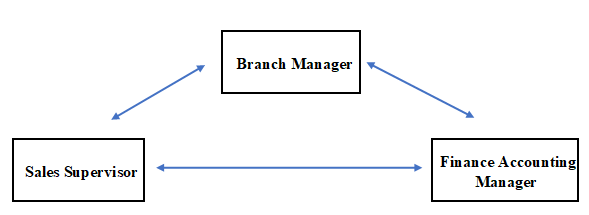
The case study method allows researchers to explore phenomena in detail by thoroughly analyzing specific situations and relevant variables in the context of the company under study. This qualitative research uses a naturalist approach to understanding human behavior in its context. Its focus is only on the cigarette company studied, taking into account the policies that apply in the company, including the existing culture and governance. This research is also based on the experience and knowledge of the management of a cigarette company. Therefore, the results of this study may only be directly applicable to companies within the context of this study. This research involved in-depth interviews with three key informants from the company: a branch manager, a sales supervisor, and a finance and accounting manager. These interviews were conducted to understand the company's risk management practices, the challenges encountered, and their influence on its competitive advantage. The researcher is the third informant's colleague, employed by the same company. This existing professional relationship enabled a comfortable and open dialogue, allowing for candid discussions and deeper insights into the company's operations. The researcher's familiarity with the company's culture and context also aided in formulating relevant questions and interpreting the responses accurately. As a result, the interviews provided rich and detailed data on the company's risk management practices and their impact on competitive advantage. Researchers identified and analyzed data through these interviews to determine three coding stages. The first stage involved initial coding, where information from the interviews was categorized based on the emerging main themes. The second stage is the coding axial, where the relationships between categories are analyzed to understand how the various elements of risk management are related to each other. The third stage is selective coding, where the focus is shifted to determining the main themes and significant patterns that describe the application of risk management in the context of competitive advantage. This method is expected to produce in-depth and comprehensive insight into risk management practices in the companies studied. Interview Method This research explores the application of risk management using qualitative methodology through a case study approach in cigarette companies operating in Central Kalimantan. The main focus of this discussion is how implementing risk management contributes to increasing a company's competitive advantage. This research adopts a framework that includes identifying and analyzing relevant risks in the context of cigarette companies, considering the specific practices implemented by companies in facing market challenges. The discussion in this paper involves systematic interviews with three key informants: a branch manager, a sales supervisor, and a finance person accounting manager. The selection of informants was based on their strategic role in managing and implementing risk management policies in the company. By understanding their perspectives, this research seeks to reveal how risk management is integrated into corporate strategy and its impact on competitive advantage. The types and criteria of informants can be seen in Table 1.
| Position | Criteria |
|---|---|
| Branch Manager (BM) | Responsible answer on management branch in a way overall. |
| Implement risk management policies at the branch level. | |
| Take decisions in the operational branch. | |
| Sales Supervisor (SS) | Manage the sales team and be responsible for achieving sales targets. |
| Ensure the implementation of risk strategies in sales operations. | |
| Have a deep insight into market dynamics and consumer behavior. | |
| Finance Accounting Manager (FAM) | Responsible for the company's financial management and accounting. |
| We are carrying out a strategic financial analysis to support the implementation of risk management. | |
| Oversee compliance with applicable financial policies and regulations. |
Responsible answer on management branch in a way overall. Implement risk management policies at the branch level. Take decisions in the operational branch. Manage the sales team and be responsible for achieving sales targets.
Sales Supervisor (SS)
Ensure the implementation of risk strategies in sales operations. Have a deep insight into market dynamics and consumer behavior. Responsible for the company's financial management and accounting.
Finance Accounting Manager (FAM)
We are carrying out a strategic financial analysis to support the implementation of risk management. Oversee compliance with applicable financial policies and regulations.
Analysis
This qualitative research, utilizing theoretical elaboration, delves into the role of risk management in enhancing the competitive advantage of cigarette companies in Central Kalimantan. A case study of a leading cigarette company in the region was conducted to enrich existing theories with empirical findings. The company's strategic approach involves tailoring its products to diverse consumer segments, employing dynamic marketing strategies, and organizing engaging events to strengthen its market position. Through semi-structured interviews, insights were gained into the company's risk management practices, including distribution strategies, regulatory compliance, price competition mitigation, contingency planning, internal control mechanisms, performance evaluation, customer retention, and human resource management. This analysis aims to understand better how risk management can be leveraged to achieve sustainable competitive advantage in the dynamic cigarette industry. Example Interview Questions:
How does your company ensure that product distribution remains effective and continues in one of the distribution chains?
To what extent do government regulations influence your company's marketing strategy?
How does your company minimize the risks of price competition and product availability?
Has your company prepared a strategy to face regulatory risks that could lead to business closure? How to?
Coding Process
The author employed a three-tier coding system to analyze interview data. First-stage open coding identified relevant risk management and competitive advantage comments within transcripts. Secondstage axial coding grouped these codes into specific categories and explored their relationships. Finally, selective coding synthesized these categories into central themes, demonstrating how risk management enhances competitive advantage within Central Kalimantan's cigarette industry. This approach enriched existing theories by providing a more profound, empirical understanding of these practices. Data Validity / Validity Criteria Data validity and reliability criteria were rigorously applied to ensure the research findings' accuracy and reliability. Internal validity was achieved through data triangulation involving interviews with key informants, direct observation, and document analysis. This multi-faceted approach allowed for the cross-verification of information and the identification of potential biases. External validity was established by grounding the research in widely recognized risk management principles, suggesting that the findings can be generalized to other business contexts. Reliability was ensured through consistent data collection and analysis procedures, including triangulation and verification techniques. This approach minimized the risk of error and bias, enhancing the replicability of the research results.
FINDINGS
The following are several significant findings from the literature review and theoretical basis. The results of the author's qualitative research also support the following findings. Competitive Advantage (CA) Competitive advantage is the primary key for a company to stand out in a highly competitive market. To achieve this, companies must focus on several crucial elements: product availability, practical marketing activities, and customer segmentation. Each element is essential in establishing and maintaining a superior competitive position. Here are some of these elements:
Product Availability:
Companies must ensure that their products or services are consistently available and meet customer needs (Hosno & Yashima, 2020; Min-Jung Kim, 2018). Good product availability helps build customer trust and satisfaction (Cheng et al., 2020). Product availability is fundamental to competitive advantage, especially in dynamic and uncertain markets. Gaur and Park (2007) developed a model showing that consistent and responsive product availability strongly influences consumer behavior and choices. This model shows that retail competition and asymmetric consumer learning can influence service levels and market share so that timely product availability and according to customer needs is essential to increase customer satisfaction and loyalty. This research is supported by a study by Puma-Flores and Rosa-Díaz (2024), which shows that increasing value chain efficiency through optimal product availability can improve a company's overall performance. This is also based on the results of the following interviews with BM and SS. BM: "We always try to ensure consistent product availability to meet market demand. When our products are available on time, we can avoid out-of-stock situations that can cause customer frustration and lost sales opportunities. We also coordinate closely with the distribution team to ensure that the product delivery process to customers runs smoothly and according to schedule." SS: "One of the most important aspects of our work is ensuring that products are available in the field on time. We are often faced with the challenge of fluctuating demand, and the systems we use to track inventory are very helpful in responding quickly to changes in demand. When products available without interruption, we see an immediate positive effect on customer satisfaction. This increase in satisfaction also leads to higher customer loyalty.” Effective Marketing Activities Effective marketing involves attracting customer attention, promoting products or services, and building a brand. It includes advertising, sales promotions, and a planned marketing strategy (Jayawarna et al., 2014). A well-planned and innovative marketing strategy can create a significant competitive advantage (Duffett et al., 2018; Mark Onu et al., 2020). Practical marketing activities serve as a strategic tool to optimize competitive advantage. Utilizing Porter's value chain framework (Heriqbaldi et al., 2023), this study compares brick-and-mortar and click-and-mortar distribution models and proposes improvements to enhance overall performance. This shows that an integrated and innovative marketing strategy can improve the company's operational performance. Hosono and Yashima (2020)also emphasize the importance of high-quality products and sophisticated human resource management in creating competitive advantages. Their research shows that quality marketing activities can significantly influence consumer perceptions and purchasing decisions. Additional research by Kim (2018) underscores the critical role of technology and interfirm networks in new product development, emphasizing the need for effective marketing in managing technological and volume uncertainty to gain a competitive advantage. This is also consistent with the interview results of BM and SS. BM: "We focus on well-planned and innovative marketing strategies to capture customer attention and strengthen our brand. Since implementing this approach, we have increased customer engagement and sales. We believe that effective marketing is critical to creating a competitive advantage. We also pay attention to the importance of product quality and human resource management in improving our operational performance. By leveraging the right technology and network, we can adapt our strategy to remain relevant in a competitive market." SS: "We find that integrated and innovative marketing activities are critical to attracting customer attention and increasing sales. A good campaign can strengthen our brand and differentiate us from competitors." Customer Segmentation: Customer segmentation divides a market into smaller groups with similar needs and characteristics, allowing companies to effectively direct their marketing efforts (Prikshat et al., 2023; Puma-Flores & Rosa-Díaz, 2024). The right approach to customer segmentation can increase customer loyalty and the value of relationships (Mohammadzadeh et al., 2017; Skarmeas et al., 2016). Customer segmentation allows companies to tailor their offerings to the specific needs of various customer groups, increasing marketing effectiveness. Jayawarna et al. (2014)found that entrepreneurial behaviors such as innovation and market research were more effective than traditional marketing techniques in the context of new ventures. Skarmeas et al. (2016) add that specific investments in relationships and an exporter's cultural sensitivity can influence relationship value and customer loyalty, which is especially important in international markets. This research is also supported by Mohammadzadeh et al. (Mohammadzadeh et al., 2017), which shows that distribution strategies tailored to different market segments can increase the marketing success of cosmetic products. Research by Prikshat et al. (2023) also underscores the importance of artificial intelligence (AI) applications in HR management to personalize customer experiences and increase loyalty. SS: "Customer segmentation is very important to us. By dividing the market into smaller groups with similar needs, we can focus more on directing our marketing efforts. This allows us to customize our offers and increase the effectiveness of our campaigns. We have seen an increase in loyalty and value customer relationships because of this more targeted approach.” BM: "I strongly support customer segmentation. Customer segmentation helps us understand the specific needs of different groups, so we can better tailor our products and services. This is in line with what research has found that proper segmentation increases marketing effectiveness and customer loyalty. We also leverage technology to personalize customers' experiences and enhance their relationships with our brands." By focusing strategies on optimal product availability, integrated marketing activities, and effective customer segmentation, companies can create significant added value and strengthen their position in the market. Focused efforts on these three elements are the foundation for achieving and maintaining sustainable competitive advantage in a competitive business environment. Another critical factor that can play an essential role in companies developing CA is the supply chain. The supply chain is a network that connects producers with end consumers and has a crucial role in cigarette companies by maintaining operational efficiency and ensuring products are available on time on the market. Effective supply chain management helps optimize costs, increases the speed of response to market demands, and improves customer service, all of which contribute to a company's competitive advantage (Ouabouch & Pache, 2014). Price is an essential factor in cigarette companies that must be managed carefully, considering the annual price increases. Efficient supply chain management can help companies deal with price and cost fluctuations. With proper management, companies can reduce operational costs and increase profitability despite increasing price pressures. Effective internal audits also play an important role in supply chain management, identifying and reducing unnecessary costs, thereby helping companies manage prices and profit margins (Jarah et al., 2022; Utari et al., 2022). Long-term strategies focusing on achieving company goals, such as building customer loyalty, are critical to maintaining competitive advantage. Research shows supply chain optimization and risk management play a role in creating competitive advantage and influencing corporate decision-making. By prioritizing effective supply chain management, companies can better respond to changing markets and customer needs, ultimately building customer loyalty (Tewu et al., 2024). This long-term strategy also includes adapting to market changes and ensuring products are available according to customer demand. The benefits of the supply chain are to the results of interviews from the following three informants: SS: "Supply chain management is crucial in a cigarette company. We need to ensure products are available on time in the market to maintain customer satisfaction and competitive advantage. With an efficient supply chain, we can respond to market demand more quickly and reduce operational costs, despite ingredient prices Raw materials often experience fluctuations. This also helps us maintain competitive selling prices." BM: "Yes, good supply chain management helps us optimize costs and improve operational efficiency. We prioritize a long-term strategy that focuses on managing the supply chain to build customer loyalty and deal with price pressures. Effective management also allows us to reduce costs and increase profitability , while ensuring products are always available according to demand." FAM: "From a financial point of view, efficient supply chain management helps us in controlling costs and increasing profit margins. Internal audit plays an important role in identifying and reducing unnecessary costs. With a good supply chain management strategy, we can deal with price fluctuations and costs better, ultimately supporting the company's goals of achieving competitive advantage and customer loyalty." Thus, efficient supply chain management is essential in achieving and maintaining a company's competitive advantage. Good risk management, effective pricing strategies, and a focus on long-term strategies to build customer loyalty all contribute to a company's success in maintaining its competitive position in the market. Companies can meet pricing challenges and build strong customer relationships through effective internal audits and sound risk management strategies, supporting their competitive advantage. The discussions and results of interviews show that the key to achieving competitive advantage lies in a deep understanding of customers, supply chain efficiency, price management, and long-term strategy. The primary focus in operational strategy involves product availability, effective marketing, and customer segmentation, while important corporate strategy aspects include supply chain and price management. This discussion will outline how these elements are interrelated and contribute to a company's success in maintaining its competitive position.
| Third Order Coding | Second Order Coding | First Order Coding |
|---|---|---|
| Customer focus: To develop compelling products and marketing strategies, tobacco companies must understand customers' needs and preferences. | Operations: The day-to-day activities of a company, including production, sales, marketing, and how operations contribute to competitive advantage. | Product availability: Ensuring products are available to consumers to maintain loyalty and prevent switching to competing products. |
| Marketing (marketing): Activities to attract and retain customers, including promotions and loyalty programs. | ||
| Customer segmentation: Dividing customers into groups based on specific characteristics like age and product preferences. | ||
| Importance of an efficient supply chain: An efficient supply chain is essential to ensure product availability and minimize costs. | Supply chain: The network involved in delivering a product from the manufacturer to the final consumer. | |
| Corporate strategy | Price: An essential factor in cigarette companies, with annual price increases needing to be managed carefully. | |
| Long-term strategy: An approach that focuses on achieving a company's long-term goals, such as building customer loyalty. |
Corporate strategy
Long-term strategy: An approach that
focuses on achieving a company's longterm goals, such as building customer loyalty.
Operational aspects, including product availability, marketing, and customer segmentation, are essential in creating and maintaining competitive advantage. Product availability is crucial in maintaining customer loyalty and preventing switching to competing products (First Coding ). This is supported by research showing that consistent product availability can increase customer satisfaction and strengthen market position (Hosno & Yashima, 2020). Effective marketing, including promotions and loyalty programs, as well as appropriate customer segmentation, helps companies attract and retain customers in a more targeted manner (First Coding; Second Coding ). SS and BM stated that integrated marketing and good segmentation strategies can increase customer loyalty and the effectiveness of marketing campaigns. Focusing on customers allows companies to understand their needs and preferences, which helps develop more effective products and marketing strategies ( Third Coding ). Effective marketing, including promotions, loyalty programs, and good customer segmentation, is essential in attracting and retaining customers (Jayawarna et al., 2014). Proper segmentation allows companies to tailor their offerings to the specific needs of customer groups, increasing marketing campaigns' effectiveness (Prikshat et al., 2023).
The Importance of Supply Chain and Price Management. An efficient supply chain ensures product availability and minimizes costs (Ouabouch & Pache, 2014). According to BM, good supply chain management allows companies to respond quickly to market demand and keep operational costs low. Additionally, effective price management is essential in the face of annual price increases and fluctuating raw material costs (Jarah et al., 2022). FAM emphasized that efficient supply chain management can help companies deal with fluctuating raw material prices and keep selling prices competitive. Long-term strategies that focus on achieving company goals, such as building customer loyalty, are essential in maintaining competitive advantage (Tewu et al., 2024). Long-term strategies that focus on achieving company goals, such as building customer loyalty, are critical to maintaining competitive advantage (Tewu et al., 2024). BM and FAM emphasize the importance of long-term strategies in dealing with price pressures and building customer loyalty. By integrating these strategies, companies can manage market challenges effectively and ensure long-term success. Overall, the results of interviews and research show that success in cigarette companies depends on an effective combination of operational aspects, supply chain management, price management, and longterm strategy. Customer focus and efficient management of all these elements enable the company to maintain a competitive position in a dynamic market. Enterprise Risk Management (ERM) ERM is a vital element that functions as a foundation for companies in identifying, analyzing, and responding to various risks that can affect achieving company goals. In cigarette companies, external risks, such as government regulations, are a significant challenge that can significantly impact the company's operations and marketing strategy. Ever-evolving and often stringent regulations force companies to proactively manage these risks to maintain operational sustainability and a competitive position in the marketplace (Aryista Dewi et al., 2024). Apart from external risks, companies also face internal risks, including operational risks and risks related to human resources. Operational risks, such as supply chain disruptions or production process errors, can affect a company's operational effectiveness and, ultimately, its performance. Effective risk management can help companies reduce the impact of these risks while increasing operational efficiency and profitability. A study by Ricardianto et al. (2023)shows that exemplary ERM implementation can strengthen competitive advantage, supporting better company performance. Risk management is vital in integrating sustainability strategies with long-term business goals in companies committed to sustainability. Research by Dewi et al. (2024)shows that the effectiveness of risk management can strengthen the relationship between sustainability performance—including economic performance and Environmental, Social, and Governance (ESG) aspects—and a company's competitive advantage. With proper risk management, companies can better navigate market and regulatory uncertainty while focusing on long-term value creation. The following are some answers from the three informants who support each other regarding the critical role of ERM. BM: "Risk management is very important to us, especially in a cigarette company that is highly regulated by the government. New regulations can suddenly emerge and directly affect our operations. We must always be ready to identify these risks and adjust our strategy to remain compliant regulations without sacrificing productivity or profitability. So, risk management is key to ensuring business continuity."
SS: "Government regulation is one of the biggest external risks we face, especially because regulations regarding prices and distribution are constantly changing. Apart from that, competition in the market is also very tight. We must always be alert and quick in responding to these changes. For this reason, we frequently conduct risk analyzes and coordinate with other teams to adjust marketing strategies to remain competitive, without breaking the rules." FAM: "One of the biggest challenges is managing operational risks, such as ensuring a smooth supply chain and maintaining production efficiency. In addition, risks related to human resources are also significant, especially in terms of employee rotation and skills development. We need to continuously monitor and analyze potential risks This is to maintain the company's operational and financial stability. A strong risk management strategy helps us in minimizing the negative impact of these risks on the company's overall performance." Based on the analysis and results of interviews that have been conducted, it was found that risk management is a critical element of company operations at cigarette companies. So, the following concept can be produced:
| Third Order Coding | Second Order Coding | First Order Coding |
|---|---|---|
| The importance of risk management in cigarette companies: Cigarette companies face various risks, such as strict government regulations and changing consumer preferences. | Benefits of Implementing ERM | Management risk is the process of identifying, analyzing, and responding to risks that could influence the achievement of the company's objective. |
| Government regulation: The main external risk for cigarette companies can affect operational and marketing activities. | ||
| External risks: Risks from outside the company, such as regulatory and competitive risks. | ||
| Internal risk: Risk from within the company, such as operational and HR risks. |
From first-order coding, several essential factors have been identified, including risk management processes, government regulations as external risks, and internal risks related to operations and human resources. Risk management includes identifying, analyzing, and responding to potential risks that can affect the achievement of company goals. Second-order coding consolidates these factors into one central theme, "The Benefits of Implementing ERM." This emphasizes that risk management is not only a process that must be carried out separately but must also be integrated into every aspect of the company's operations. Companies must proactively manage risks, especially those from government regulations and market competition. In third-order coding, it was found that risk management is critical for this unique cigarette company. Tobacco companies face significant challenges, such as strict government regulations, changing consumer preferences, and pressure from the global market. Thus, effective risk management ensures the company's success and sustainability. Companies in the cigarette business sector must be able to anticipate and respond to various risks that arise to maintain competitive advantage and long-term sustainability. Thus, risk management serves as a mechanism to prevent and reduce losses and is an essential strategy for creating and maintaining competitive advantage in the long term. The integration of comprehensive risk management into a company's business strategy allows companies to be more adaptive to market and regulatory changes, ultimately enhancing their ability to remain relevant and competitive in a dynamic enterprise (Javaid & Aslam, 2021; Noradiva Hamzah et al., 2022; Tewu et al., 2024). The Role of Organizational Culture as a Link between Risk Management and Competitive Advantage Culture is essential in linking risk management with sustainable competitive advantage for the company. Organizational culture includes the values, norms, and practices that shape employee behavior and guide how they face challenges and opportunities. A solid and adaptive organizational culture can significantly increase the effectiveness of risk management practices, thereby strengthening a company's competitive position in the market.
| Third Order Coding | Second Order Coding | First Order Coding |
|---|---|---|
| Adaptive company culture and competent human resources: A dynamic business environment requires cigarette companies to have an adaptive company culture, where employees are encouraged to innovate and respond quickly to changes. | Culture Company | Corporate culture: The values and norms that shape employee behavior within a company. |
| Operations: The day-to-day activities of a company, including production, sales, marketing, and how operations contribute to competitive advantage. | Performance evaluation: The process of assessing the effectiveness of sales and marketing activities to identify areas of improvement. | |
| Human resources (HR): Management of employees, including recruitment, training, and development, and the role of HR in building competitive advantage. | Human resources (HR): Management of employees, including recruiting, training, and development. |
Company Values and Norms
The values and norms embedded in a company's culture determine how employees understand and respond to risk. A culture of vigilance and responsibility will grow when these values align with proactive risk management. For example, companies prioritizing transparency and ethics will be more likely to encourage open communication about potential risks, allowing for timely and effective responses. This alignment between cultural values and risk management practices ensures that risks are managed to support long-term competitiveness (Javaid & Aslam, 2021). Performance Evaluation The performance evaluation process is critical to assessing the effectiveness of sales and marketing activities, which is an integral part of maintaining a competitive advantage. A culture emphasizing continuous improvement and accountability can encourage more rigorous and in-depth performance evaluations. By systematically identifying areas that need improvement, companies can refine their strategies and operations to manage risk better and improve their position in the market. For example, the integration of risk management in performance evaluation can help identify deficiencies in strategy execution, which then results in more intelligent decision-making and sustainable competitive advantage (Ricardianto et al., 2023). Human Resources Management (HR) Human resource management is another crucial aspect of organizational culture that influences the success of risk management. Employee recruitment, training, and development are critical to equipping the workforce with the skills and knowledge to deal with risk effectively. A culture that values continuous learning and adaptability ensures that employees are prepared to manage uncertainty, supporting the company's ability to maintain its competitive advantage. Effective HR management practices aligned with risk management strategies can also increase employee engagement and commitment, further strengthening a company's competitive position (Javaid & Aslam, 2021; Tewu et al., 2024). Discussion about the organization This culture can be seen in several quotes from interviews with the three informants as follows: BM: “The company culture at our branch places a strong emphasis on openness and collaboration. We believe that this culture is very important in risk management. For example, we motivate all employees to report potential risks without fear. This allows us to immediately identify and address any problems that may arise. In this way, we can minimize internal and external risks that may affect our operations. In addition, a company culture that supports innovation helps us in dealing with strict government regulations, such as bans on cigarette promotions. We can adapt and find new ways to promote our products effectively by exploiting existing gaps.” SS: “When we face the risk of low goods availability, our company culture encourages the team to take immediate countermeasures, such as increasing stock and communicating with distributors. This ensures that we can maintain product availability and avoid losing customers. A culture that supports collaboration and effective communication allows us to address risks quickly and maintain our competitive advantage.” FAM: “With a company culture that supports HR development, we can ensure that all employees are ready to face risks that may arise. This not only helps in maintaining operational stability, but also contributes to the company's ability to maintain a competitive edge in the market. For example, by preparing employees to face regulatory risks, we can maintain the continuity of company operations and continue to adapt to existing changes.” So, the relationship between ERM, CA, and organizational culture is visible in the following picture.
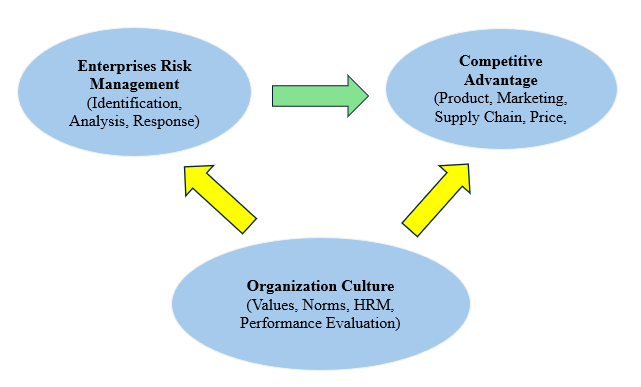
As such, organizational culture is a fundamental factor that bridges risk management and competitive advantage. By embedding solid cultural values, rigorous performance evaluation, and effective human resource management into the organizational structure, a company can ensure that its risk management efforts contribute significantly to sustained competitive advantage in the marketplace.
DISCUSSION
The results of this research provide an in-depth understanding of how the implementation of Enterprise Risk Management (ERM) and organizational culture influence the achievement of competitive advantage (CA) in companies. Study This effectively answers the two research questions (RQ) submitted. For RQ1, which focuses on the influence of the application of ERM on CA achievements in the company, the results show that ERM implementation effectively significantly influences CA achievement. The study identifies external management risks, like changes in regulations and government and market fluctuations, and internal risks, including challenging operations and problems related to Power humans, are critical in reaching CA. For example, results show that companies implementing ERM with Good capability reduce the risk of being out of stock, which impacts the availability of products, improves effective activity marketing, and segments more customers (Aryista Dewi et al., 2024). Management process structured and proactive risks possible company To mitigate risks influencing their operations and market position, ultimately strengthening Power's competitive advantage. Studies also reveal that management strategy integrated risk with objective company contributes to efficiency, more operational height and retrieval, more decisions OK, and more CA achievements Good (Ricardianto et al., 2023). Meanwhile, for RQ2, which explores the influence of culture organization towards ERM and CA, results show that culture organization's impact is significant in connecting ERM implementation with CA achievement. An organizational culture supporting risk management and operational excellence is essential for ERM effectiveness. Research findings show that corporate values that support innovation, performance assessment based on risk management, and effective human resource management all contribute to the successful implementation of ERM and strengthening (Hosno & Yashima, 2020) CA. Companies with a culture that encourages adaptation and innovation can better manage risk and respond to market challenges, positively impacting their competitive position. This research shows that an organizational culture aligned with risk management strategies helps create an environment that supports CA achievement, with better risk management being one of the leading indicators of success in maintaining and strengthening competitive advantage (Javaid & Aslam, 2021). Overall, this research comprehensively answers both research questions by revealing how ERM and organizational culture influence each other in the context of achieving competitive advantage in companies. This research provides empirical evidence supporting the importance of integrating risk management and organizational culture in corporate strategy to achieve and maintain a superior competitive position.
CONCLUSION
The conclusions of this research reveal that achieving and maintaining a competitive advantage in cigarette companies relies heavily on a holistic approach involving several vital factors. Consistent product availability is the main foundation for maintaining customer satisfaction and ensuring a strong market position. Effective and innovative marketing, which includes careful customer segmentation strategies, plays an essential role in differentiating a company from competitors and strengthening customer loyalty. Additionally, efficient supply chain management significantly reduces operational costs and increases distribution effectiveness, supporting price stability and profit margins. Then, effective risk management is crucial in identifying, evaluating, and overcoming risks that may arise from external factors, such as changes in government regulations and market fluctuations, and internal risks, such as operational disruption and financial uncertainty. Good risk management allows companies to mitigate negative impacts and take advantage of existing opportunities, maintaining company continuity and growth. However, all these factors can only reach their full potential with the support of a solid organizational culture. A good organizational culture strategically creates a work environment that supports innovation, collaboration, and adaptation. Organizational values such as commitment to quality, work ethic, and flexibility greatly influence how a company responds to market changes and internal challenges. For example, a culture that supports innovation and continuous learning will encourage employees to develop creative solutions to problems and take advantage of new opportunities. In addition, an open and communicative organizational culture will facilitate effective information delivery and faster decision-making. Organizational culture also plays a vital role in shaping employee attitudes and behavior, ultimately influencing the implementation of supply chain and risk management strategies. A culture that encourages employee involvement and responsibility can increase the effectiveness of managerial and operational processes, strengthening a company's competitive advantage. Therefore, companies that maintain competitive advantage can integrate their business strategy with a supportive organizational culture, creating synergy between operational, managerial, and cultural aspects in achieving long-term goals.
FUTURE RESEARCH SUGGESTIONS
In an academic context, it is recommended that future research explore the relationship between risk management and competitive advantage in different companies to understand the variability of impacts that may arise from specific corporate contexts. Further research could also explore external factors that influence risk management implementation, such as regulatory changes and market dynamics, to gain deeper insight into how companies can adapt to a changing environment. On the practical side, cigarette companies are advised to develop a more integrated risk management approach, focusing on operational risks and considering external risks that can affect their competitive advantage. Adaptive policies responsive to market and regulatory changes can help companies maintain operational stability and increase competitiveness. In addition, companies must strengthen an organizational culture that supports risk management by providing adequate training to employees and building an effective communication system to identify and respond to risks quickly.
References
- Agha, S., Alrubaiee, L., & Jamhour, M. (2011). Effect of Core Competence on Competitive Advantage and Organizational Performance. International Journal of Business and Management, 7(1). https://doi.org/10.5539/ijbm.v7n1p192
- Ahmed, D., Yuantao, X., & Saeed Bhutta, U. (2022). Insurers’ risk management as a business process: a prospective competitive advantage or not? European Journal of Management and Business Economics, 31(3), 345–366. https://doi.org/10.1108/EJMBE-08-2021-0221
- Annamalah, S., Raman, M., Marthandan, G., & Logeswaran, A. (2018). Implementation of Enterprise Risk Management (ERM) Framework in Enhancing Business Performances in Oil and Gas Sector. Economies, 6(1), 4. https://doi.org/10.3390/economies6010004
- Annarelli, A., Battistella, C., & Nonino, F. (2020). Competitive advantage implication of different Product Service System business models: Consequences of ‘not-replicable’ capabilities. Journal of Cleaner Production, 247, 119121. https://api.semanticscholar.org/CorpusID:211416795
- Anton, S. G. (2018). The Impact of Enterprise Risk Management on Firm Value: Empirical Evidence from Romanian Non-financial Firms. Engineering Economics, 29(2). https://doi.org/10.5755/j01.ee.29.2.16426
- Anton, S. G., & Nucu, A. E. A. (2020). Enterprise Risk Management: A Literature Review and Agenda for Future Research. Journal of Risk and Financial Management, 13(11), 281. https://doi.org/10.3390/jrfm13110281
- Armeanu, D., Vintilă, G., Gherghina, Ş., & Petrache, D. (2017). Approaches on Correlation between Board of Directors and Risk Management in Resilient Economies. Sustainability, 9(2), 173. https://doi.org/10.3390/su9020173
- Aryista Dewi, A., Saraswati, E., Fuad Rahman, A., & Atmini, S. (2024). Moderating role of enterprise risk management in the relationship between sustainability performance and a firm’s competitive advantage. Problems and Perspectives in Management, 22(2), 226–239. https://doi.org/10.21511/ppm.22(2).2024.18
- Ashraf, B., Arshad, S., & Yan, L. (2017). Trade Openness and Bank Risk-Taking Behavior: Evidence from Emerging Economies. Journal of Risk and Financial Management, 10(3), 15. https://doi.org/10.3390/jrfm10030015
- Asija, A., & Ringov, D. (2021). Dynamic capabilities: The role of board monitoring and managerial incentives. BRQ Business Research Quarterly, 24(4), 268–280. https://doi.org/10.1177/2340944420916309
- Azeem, M., Ahmed, M., Haider, S., & Sajjad, M. (2021). Expanding competitive advantage through organizational culture, knowledge sharing and organizational innovation. Technology in Society, 66, 101635. https://doi.org/10.1016/j.techsoc.2021.101635
- Barney, J. (1991). Firm Resources and Sustained Competitive Advantage. Journal of Management, 17(1), 99–120. https://doi.org/10.1177/014920639101700108
- Beasley, M., Branson, B., & Pagach, D. (2023). An Evolving Risk Landscape: Insights from a Decade of Surveys of Executives and Risk Professionals. Journal of Risk and Financial Management, 16(1), 29. https://doi.org/10.3390/jrfm16010029
- Brown, S. L., & Eisenhardt, K. M. (1998). Competing on the edge. Harvard Business Review Press.
- Cheng, B. L., Gaur, S. S., & Rahim, R. A. (2020). Factors Leading to Customer Retention in the High VolumeLow Volume Service Context: Evidence from the Mobile Service Industry. Asian Journal of Business Research, 10(1). https://doi.org/10.14707/ajbr.200076
- COSO. (2014). How the COSO Frameworks Can Help.
- Crovini, C., Santoro, G., & Ossola, G. (2021). Rethinking risk management in entrepreneurial SMEs: towards the integration with the decision-making process. Management Decision, 59(5), 1085–1113. https://doi.org/10.1108/MD-10-2019-1402
- Duffett, R., Edu, T., Haydam, N., Negricea, I.-C., & Zaharia, R. (2018). A Multi-Dimensional Approach of Green Marketing Competitive Advantage: A Perspective of Small Medium and Micro Enterprises from Western Cape, South Africa. Sustainability, 10(10), 3764. https://doi.org/10.3390/su10103764
- Elsayed, M., Wickramainghe, A., & Razik, M. A. (2011). The association between strategic cost management and enterprise risk management: A critical literature review. Corporate Ownership and Control, 9(1), 184–195. https://doi.org/10.22495/cocv9i1c1art3
- Faisal, M., & Hasan, N. N. (2020). Enterprise Risk Management and Firm Value: The Case in Emerging Market. https://api.semanticscholar.org/CorpusID:218531936
- Gatzert, N., & Martin, M. (2015). Determinants and Value of Enterprise Risk Management: Empirical Evidence From the Literature. Risk Management and Insurance Review, 18(1), 29–53. https://doi.org/10.1111/rmir.12028
- Gaur, V., & Park, Y.-H. (2007). Asymmetric Consumer Learning and Inventory Competition. Management Science, 53(2), 227–240. https://doi.org/10.1287/mnsc.1060.0615
- Gunawan, R. M. B., & Widodo, W. (2022). Intellectual Capital and Corporate Governance Affect Organizational Performance through Competitive Advantage: Evidence from Indonesia. Quality - Access to Success, 23(189). https://doi.org/10.47750/QAS/23.189.28
- Handari Wahyuningsih, S., Sudiro, A., Afnan Troena, E., & W Irawanto, D. (2019). Analysis of organizational culture with denison’s model approach for international business competitiveness. Problems and Perspectives in Management, 17(1), 142–151. https://doi.org/10.21511/ppm.17(1).2019.13
- Harrington, S. E., & Doerpinghaus, H. I. (1993). The Economics and Politics of Automobile Insurance Rate Classification. The Journal of Risk and Insurance, 60(1), 59. https://doi.org/10.2307/253099
- Heriqbaldi, U., Esquivias, M. A., Samudro, B. R., & Widodo, W. (2023). Do National Export Promotion Programs in Indonesia support export competitiveness? Heliyon, 9(6), e16918. https://doi.org/10.1016/j.heliyon.2023.e16918
- Hidayatullah, S., Firdiansjah, A., Patalo, R. G., & Waris, A. (2019). The Effect Of Entrepreneurial Marketing And Competitive Advantage On Marketing Performance. INTERNATIONAL JOURNAL OF SCIENTIFIC & TECHNOLOGY RESEARCH, 8(10). www.ijstr.org
- Hosno, K., & Yashima, Y. (2020). Competitive Advantage Factors in Vertically Diversified Brand Chicken Business: A Partial Value Chain Analysis of a Japanese Poultry Wholesaler. Japan Agricultural Research Quarterly: JARQ, 54(4), 327–333. https://doi.org/10.6090/jarq.54.327
- Hoyt, R. E., & Liebenberg, A. P. (2011). The Value of Enterprise Risk Management. Journal of Risk and Insurance, 78(4), 795–822. https://doi.org/10.1111/j.1539-6975.2011.01413.x
- Hristov, I., Camilli, R., Chirico, A., & Mechelli, A. (2024). The integration between enterprise risk management and performance management system: managerial analysis and conceptual model to support strategic decision-making process. Production Planning & Control, 35(8), 842–855. https://doi.org/10.1080/09537287.2022.2140086
- Jankensgård, H. (2019). A theory of enterprise risk management. Corporate Governance: The International Journal of Business in Society, 19(3), 565–579. https://doi.org/10.1108/CG-02-2018-0092
- Jarah, B. A. F., Jarrah, M. A. AL, & Al-Zaqeba, M. A. A. (2022). The role of internal audit in improving supply chain management in shipping companies. Uncertain Supply Chain Management, 10(3), 1023–1028. https://doi.org/10.5267/j.uscm.2022.2.011
- Javaid, S., & Aslam, F. (2021). The Effect of Enterprise Risk Management on Ameliorating Competitive Advantage: A Cross-Sectional Study of Software Houses in Pakistan. Pertanika Journal of Social Sciences and Humanities, 29(4), 2525–2543. https://doi.org/10.47836/pjssh.29.4.24
- Jayawarna, D., Jones, O., Lam, W., & Phua, S. (2014). The performance of entrepreneurial ventures. Journal of Small Business and Enterprise Development, 21(4), 565–587. https://doi.org/10.1108/JSBED-05-2014-0090
- Kimbrough, R. L., & Componation, P. J. (2009). The Relationship Between Organizational Culture and Enterprise Risk Management. Engineering Management Journal, 21(2), 18–26. https://doi.org/10.1080/10429247.2009.11431803
- Kotler, P. T., & Armstrong, G. (2017). Principles of Marketing (17th ed.). Pearson.
- Kraus, P., Stokes, P., Moore, N., Ashta, A., & Britzelmaier, B. J. (2023). An elite perspective on interviewing entrepreneurs – methodological considerations for the entrepreneurship field. Journal of Small Business and Enterprise Development, 30(5), 857–879. https://doi.org/10.1108/JSBED-12-2022-0492
- Kuo, S.-Y., Lin, P.-C., & Lu, C.-S. (2017). The effects of dynamic capabilities, service capabilities, competitive advantage, and organizational performance in container shipping. Transportation Research Part A: Policy and Practice, 95, 356–371. https://doi.org/10.1016/j.tra.2016.11.015
- La Hatani, L. H. (2013). Competitive Advantage as Relationship Mediation between Supply Chain Integration and Fishery Company Performance In Southeast Sulawesi (Indonesia). IOSR Journal of Business and Management, 6(5), 1–14. https://doi.org/10.9790/487X-0650114
- Majeed, A., Basiruddin, R., & Binsaddig, R. (2021). Corporate Governance and Culture: A Systematic Review. International Journal of Academic Research in Business and Social Sciences, 11(11). https://doi.org/10.6007/IJARBSS/v11-i11/11338
- Majid, S. A., Nugraha, A., Sulistiyono, B. B., Suryaningsih, L., Widodo, S., Kholdun, A. I., Febrian, W. D., Wahdiniawati, S. A., Marlita, D., Wiwah, A., & Endri, E. (2022). The effect of safety risk management and airport personnel competency on aviation safety performance. Uncertain Supply Chain Management, 10(4), 1509–1522. https://doi.org/10.5267/j.uscm.2022.6.004
- Mark Onu, O., Aliyu Tanko, A., & Dindul, N. (2020). Implication Of Socio-Cultural Environment On The Performance Of Selected Smes In Kano State, Nigeria. International Journal of Social Sciences and Management Review, 138–153. https://doi.org/10.37602/IJSSMR.2020.3510
- Meidell, A., & Kaarbøe, K. (2017). How the enterprise risk management function influences decision-making in the organization – A field study of a large, global oil and gas company. The British Accounting Review, 49(1), 39–55. https://doi.org/10.1016/j.bar.2016.10.005
- Min-Jung Kim. (2018). The Role of Structural Holes in Uncertain Environments in Channel Relationships. Journal of Distribution Science, 16(6), 25–35. https://doi.org/10.15722/jds.16.6.201806.25
- Mohammadzadeh, M., Hashemi, S., Salmannejad, F., & Ghari, T. (2017). Identification of Key Success Factors in the Marketing of Cosmetics Based on Knowledge, Attitude and Practice (KAP) Analysis Using Topsis Technique (The Case of Iran). Pharmaceutical Sciences, 23(3), 222–230. https://doi.org/10.15171/PS.2017.33
- Nikmah, F., Sukma, E., & Rahmawati, R. (2021). Resource-Based View: Implementation in Indonesia Smes to Achieve Competitive Advantage.
- Nocco, B. W., & Stulz, R. M. (2006). Enterprise Risk Management: Theory and Practice. Journal of Applied Corporate Finance, 18(4), 8–20. https://doi.org/10.1111/j.1745-6622.2006.00106.x
- Nonaka, I., Kodama, M., Hirose, A., & Kohlbacher, F. (2014). Dynamic fractal organizations for promoting knowledge-based transformation – A new paradigm for organizational theory. European Management Journal, 32(1), 137–146. https://doi.org/10.1016/j.emj.2013.02.003
- Noradiva Hamzah, Ruhanita Maelah, & Omar Muwafaq Saleh. (2022). The Moderating Effect of Human Capital on the Relationship between Enterprise Risk Management and Organization Performance. International Journal of Business and Society, 23(1), 614–632. https://doi.org/10.33736/ijbs.4633.2022
- Olaniyi, O. O., Olabanji, S. O., & Abalaka, A. I. (2023). Navigating Risk in the Modern Business Landscape: Strategies and Insights for Enterprise Risk Management Implementation. Journal of Scientific Research and Reports, 29(9), 103–109. https://doi.org/10.9734/jsrr/2023/v29i91789
- Otero González, L., Durán Santomil, P., & Tamayo Herrera, A. (2020). The effect of Enterprise Risk Management on the risk and the performance of Spanish listed companies. European Research on Management and Business Economics, 26(3), 111–120. https://doi.org/10.1016/j.iedeen.2020.08.002
- Ouabouch, L., & Pache, G. (2014). Risk Management In The Supply Chain: Characterization And Empirical Analysis. Journal of Applied Business Research (JABR), 30(2), 329. https://doi.org/10.19030/jabr.v30i2.8401
- Porter, M. E. (1985). Competitive Advantage. Free Press.
- Potjanajaruwit, P. (2018). Competitive advantage effects on firm performance: A Case study of startups in Thailand. Journal of International Studies, 11(3), 104–111. https://doi.org/10.14254/2071-8330.2018/11-3/9
- Poulis, E., Poulis, K., & Dooley, L. (2013). ‘Information communication technology’ innovation in a non-high technology sector: achieving competitive advantage in the shipping industry. The Service Industries Journal, 33(6), 594–608. https://doi.org/10.1080/02642069.2011.623776
- Prikshat, V., Islam, M., Patel, P., Malik, A., Budhwar, P., & Gupta, S. (2023). AI-Augmented HRM: Literature review and a proposed multilevel framework for future research. Technological Forecasting and Social Change, 193, 122645. https://doi.org/10.1016/j.techfore.2023.122645
- Puma-Flores, M., & Rosa-Díaz, I. M. (2024). Promoting sustainable agri-food systems through sustainability and responsible marketing: The case of peruvian companies at international trade shows. Journal of Cleaner Production, 448, 141568. https://doi.org/10.1016/j.jclepro.2024.141568
- Ricardianto, P., Lembang, A. T., Tatiana, Y., Ruminda, M., Kholdun, A. I., Kusuma, I. G. N. A. G. E. T., Sembiring, H. F. A., Sudewo, G. C., Suryani, D., & Endri, E. (2023). Enterprise risk management and business strategy on firm performance: The role of mediating competitive advantage. Uncertain Supply Chain Management, 11(1), 249–260. https://doi.org/10.5267/j.uscm.2022.10.002
- Saeidi, P., Saeidi, S. P., Gutierrez, L., Streimikiene, D., Alrasheedi, M., Saeidi, S. P., & Mardani, A. (2021). The influence of enterprise risk management on firm performance with the moderating effect of intellectual capital dimensions. Economic Research-Ekonomska Istraživanja, 34(1), 122–151. https://doi.org/10.1080/1331677X.2020.1776140
- Saeidi, P., Saeidi, S. P., Sofian, S., Saeidi, S. P., Nilashi, M., & Mardani, A. (2019). The impact of enterprise risk management on competitive advantage by moderating role of information technology. Computer Standards & Interfaces, 63, 67–82. https://doi.org/10.1016/j.csi.2018.11.009
- Saputra, I., Murwaningsari, E., & Augustine, Y. (2023). The Role Of Enterprise Risk Management And Digital Transformation On Sustainable Banking In Indonesia. Neo Journal of Economy and Social Humanities, 2(1), 17–30. https://doi.org/10.56403/nejesh.v2i1.85
- Sax, J., & Andersen, T. J. (2019). Making Risk Management Strategic: Integrating Enterprise Risk Management with Strategic Planning. European Management Review, 16(3), 719–740. https://doi.org/10.1111/emre.12185
- Schermerhorn, J. R., Hunt, & Osborn, R. N. (2011). Organizational behavior, binder version (12th ed.). John Wiley & Sons.
- Shahnia, C., Purnamasari, E. D., Hakim, L., & Endri, E. (2020). Determinant of profitability: Evidence from trading, service and investment companies in Indonesia. Accounting, 787–794. https://doi.org/10.5267/j.ac.2020.6.004
- Skarmeas, D., Zeriti, A., & Baltas, G. (2016). Relationship Value: Drivers and Outcomes in International Marketing Channels. Journal of International Marketing, 24(1), 22–40. https://doi.org/10.1509/jim.15.0065
- Smith, R. E., & Wright, W. F. (2004). Determinants of Customer Loyalty and Financial Performance. Journal of Management Accounting Research, 16(1), 183–205. https://doi.org/10.2308/jmar.2004.16.1.183
- Strauss, A., & Corbin, J. M. (1990). Basics of qualitative research (2nd ed.). SAGE Publications.
- Sukati, I. (2018). Competitive Advantage through Supply Chain Responsiveness and Supply Chain Integration.
- Tan, C., & Lee, S. Z. (2022). Adoption of enterprise risk management (ERM) in small and medium-sized enterprises: evidence from Malaysia. Journal of Accounting & Organizational Change, 18(1), 100–131. https://doi.org/10.1108/JAOC-11-2020-0181
- Taneja, S., Sewell, S. S., & Odom, R. Y. (2015). A culture of employee engagement: a strategic perspective for global managers. Journal of Business Strategy, 36(3), 46–56. https://doi.org/10.1108/JBS-06-2014-0062
- Tekathen, M., & Dechow, N. (2013). Enterprise risk management and continuous re-alignment in the pursuit of accountability: A German case. Management Accounting Research, 24(2), 100–121. https://doi.org/10.1016/j.mar.2013.04.005
- Tewu, M. L. D., Suwarno, S., Lisdiono, P., Friska, R., & Pramono, A. J. (2024). Enterprise risk management and supply chain management: The mediating role of competitive advantage and decision making in improving firms performance. Uncertain Supply Chain Management, 12(2), 1131–1140. https://doi.org/10.5267/j.uscm.2023.11.021
- Thomya, W., & Saenchaiyathon, K. (2015). The Effects Of Organizational Culture And Enterprise Risk Management On Organizational Performance: A Conceptual Framework. International Business Management, 9, 158–163.
- Titman, S. J., Keown, A. J., & Martin, J. H. (2017). Financial Management (13th ed.). Pearson.
- Utari, R. S., Buchdadi, A. D., & Warokka, A. (2022). The Impact of Supply Chain Management and Risk Management on a State Oil and Gas Industry with Competitive Advantage as Mediating Variable. Quality - Access to Success, 23(189). https://doi.org/10.47750/QAS/23.189.29
- Wernerfelt, B. (1984). A resource‐based view of the firm. Strategic Management Journal, 5(2), 171–180. https://doi.org/10.1002/smj.4250050207
- Wicaksono, A. Y. (2020). Applying ISO:31000:2018 as Risk Management Strategy on Heavy Machinery Vehicle Division. International Journal of Science, Engineering, and Information Technology, 4(2), 198–202. https://doi.org/10.21107/ijseit.v4i2.6871
- Wong, C. C. (2020). Conceptualising Risk Culture on Erm Implementation in Construction Companies. Built Environment Journal, 17(1), 59. https://doi.org/10.24191/bej.v17i1.5988
- Wu, D., & Olson, D. L. (2015). Enterprise Risk Management: Financial and Accounting Perspectives. In New Frontiers in Enterprise Risk Management (pp. 25–38). Springer Berlin Heidelberg. https://doi.org/10.1007/978-3-540-78642-9_3
- Yang, S., Ishtiaq, M., & Anwar, M. (2018a). Enterprise Risk Management Practices and Firm Performance, the Mediating Role of Competitive Advantage and the Moderating Role of Financial Literacy. Journal of Risk and Financial Management, 11(3), 35. https://doi.org/10.3390/jrfm11030035
- Yang, S., Ishtiaq, M., & Anwar, M. (2018b). Enterprise Risk Management Practices and Firm Performance, the Mediating Role of Competitive Advantage and the Moderating Role of Financial Literacy. Journal of Risk and Financial Management, 11(3), 35. https://doi.org/10.3390/jrfm11030035