The Exposition of HR Management in a Micro-Business: Kak Yus Soya Case Study
- Faculty of Technology Management and Business, Universiti Tun Hussein Onn Malaysia
Journal of Business Management and Accounting 13(2) (2023) · https://doi.org/10.32890/jbma2023.13.2.6
Abstract
Human resources (HR) plays a key role in any business, regardless of its size. Besides recruiting new hires and optimizing existing staff to keep a business running smoothly, HR is also responsible for boosting employee engagement and productivity. Despite the importance of human resource management (HRM) to every organization’s efficiency, micro-businesses struggle with HR challenges such as staff recruitment, training, and retention. Small businesses, especially family-owned ones, often view HRM as an unnecessary investment. This case study examined appropriate HR activities at a micro-enterprise named “Kak Yus Soya.” The purpose of this case study was to identify disparities between Kak Yus Soya’s HR practices and a theoretical HR framework. The next course of action was to evaluate the company’s preparedness to implement HRM and, from there, to design the most suitable HRM framework in light of the organization’s needs and capabilities. The case study objectives were fulfilled by employing a mixed-method approach that combined qualitative and quantitative data collection. The data-collecting process was designed to allow continuity between the objectives of the case study, where each objective was related to bridging the HR gaps in the organization, which subsequently aided in developing a practical HR framework for Kak Yus Soya. At the end of the study, a structured HRM model for micro-enterprises was created in accordance with the theoretical framework that served as the foundation of this case study. The established HR framework integrated five HR activities: i) assessing employer readiness, ii) HR planning, iii) selection and recruitment, iv) training, and v) performance appraisal. These activities are the fundamental components that a good HRM system must contain.
Keywords: Human resource management, HR framework, microbusiness
INTRODUCTION
Human Resources (HR) is one of the important components of any organization. As the name implies, HR is the foundation of the company, responsible for employing and deploying external and internal skills to ensure business operations run smoothly. For a company to maintain productivity, the HR department must also enhance employee engagement in company operations and discover development prospects to preserve business productivity. HRM focuses on people as human capital to drive organizational performance (Chaddha, Khalique & Parimoo, 2020).
For decades, the rapid development of new technologies has influenced worldwide HR practices, and this trend continues. HR methods in major organizations have progressed from classic HR principles in the 1970s to strategic HRM in recent years (Boon et al., 2019). In addition, business trends and market participation have improved human capital management in many multinational organizations (Bakator et al., 2019). As opposed to large organizations, micro, small and medium-sized enterprises (MSMEs) are ready for HR management to be implemented; however, the main obstacle they confront is a lack of HRM execution ability (Virk, 2017). Although HRM plays an essential role in developing and establishing competitive advantages, many MSMEs frequently face significant HR challenges and limitations, such as the ability to attract, develop, and retain their employees (Belsito & Reutzel, 2019). According to Dundon (2018), HR practices differ substantially amongst small enterprises. They take an individualistic approach to HRM, using a range of management techniques from autocratic to participatory, and are typically inspired by the beliefs of the company’s owners.
According to the Malaysia Statistical Business Register (MSBR), issued by the Department of Statistics, Malaysia (DOSM), SMEs accounted for 97.2 percent of all business establishments in Malaysia in 2020, with micro-enterprises accounting for 78.4 percent of the total percentage (SME Corp, 2020). This information demonstrates that micro businesses dominate the Malaysian business landscape and require strong HR policies to survive, expand, and succeed.
This case study is about Adfa Teguh Enterprise, a family-owned micro-enterprise in Klang, Selangor. This case study aimed to examine Kak Yus Soya’s current HR practices and set up a good HR framework that suits its capability to help them stay organized for a better working environment. This case study followed Hung et al.’s note (2016; p234), “HRM improves the long-term competitiveness of SMEs by developing and utilizing employees and encouraging them to pursue the interest of the organization.”
Problem Statement
According to SME Bank (2017), a micro-enterprise defined by Bank Negara Malaysia is a business entity with an annual sales turnover of RM300,000 or employs fewer than five permanent employees. Kak Yus Soya, a soy drink and bean curd producer with five full-time employees and an annual sales turnover ranging from RM120,000 to RM150,000, has classified its operation as a micro-scale business.
Despite having been in the industry since 2012, Kak Yus Soya is still unable to elevate its business status from micro to small-sized business (defined as a business entity that generates total annual sales of RM300,000 to RM1.5 million or employs five to 75 full- time employees) (SME Bank, 2017). Kak Yus Soya has trouble expanding its business due to poor labour management, unsystematic manufacturing flow, and disorganized documentation. Ultimately, all these difficulties are due to not having a dedicated HR department to begin with to manage its human capital and guide its business operations. Kak Yus Soya’s incapability to adequately manage its HR issues leads to a decline in sales, overlapping jobs, overworked and underpaid employees, and unsystematic business documentation. Following that, the researchers found out that Kak Yus Soya has not been operating in accordance with the guidelines outlined in the Employment Act 1955 (the Employment Act). The Employment Act provides guidelines on how businesses should handle their HR operations and uniformity with minimum safeguards for employees.
The issue of poor adherence to the Employment Act will lead to a high turnover rate. Employee turnover refers to the frequency with which workers switch employers, positions within an organization, and employment statuses (between employed and jobless) (Hosen, 2022). It has been reported that Malaysian SMEs have among the highest employee turnover rates in the world, at 19 percent and 22 percent for small and medium enterprises, respectively, according to Kadiresan et al. (2016). This data presents a significant challenge for the management of Malaysian SMEs in retaining their talents. Thus, the employee turnover rate in micro-enterprise is expected to be high, and employees may come and go unpredictably. According to Yusniha Yusof, the owner of Kak Yus Soya, she usually replaces three employees annually, in which most of the decision to leave was motivated by a heavy workload at Kak Yus Soya and better career opportunities elsewhere. The researchers focused on these employment concerns in the manpower planning function, which compares Kak Yus Soya’s current employment practices with industry standards. Meanwhile, the adoption of employment contracts in accordance with the Employment Act can aid in long-term staff retention, which can contribute to the success of Kak Yus Soya’s business.
Kak Yus Soya’s existing method of paying salaries to employees is also not documented on employment or any form of binding contracts, which means that workers may not be aware of the exact amount they would be paid. This means the wages could be adjusted down the line, perhaps when business is slow. The unfair treatment of workers and subsequent unhappiness and dissatisfaction are the inevitable results. When it comes to SMEs, Yuen and Tan (2019) claimed that good pay can strengthen the company’s competitive advantage and keep workers’ work performance high by providing attractive financial benefits. As such, in the case of Kak Yus Soya, the HR compensation planning function comes to light.
The research by Bakator et al. (2019) suggested that HRM practices have a favourable influence on overall business performance, making it clear that Kak Yus Soya needs to establish a solid HR framework in order to improve its management. According to Rashid and Mohd Harif (2016), good business performance is directly involved in financial metrics such as profitability, productivity, revenue, and business growth. These metrics influence employee engagement, provide job security and increase employee satisfaction, which helps the company sustain itself for a longer period of time. A company’s success can be measured in more ways than just financial factors; for example, by the degree to which it provides a safe and pleasant environment for its employees. Therefore, it is crucial for the researchers to investigate employees’ needs and satisfaction prior to designing Kak Yus Soya’s HR framework.
The aforementioned HR issues justify why Kak Yus Soya needs HR planning that involves manpower planning, compensation planning and study on employees’ needs and satisfaction. This HR planning will lead to how HR operations such as recruitment and selection, training, and appraisal can be mapped out to build effective HR management.
Case Study Questions
A systematic inquiry focuses on case study questions as they are essential to accurately capture the research outcomes. This paper’s case study questions provided an overview of the issues with which the research aimed to respond, specifically on how to integrate HRM into small firms like Kak Yus Soya. The following set of case study questions is considered the heart of a systematic investigation that assisted the researchers in defining a clear path for the research process:
1) What were the current HR practices in Kak Yus Soya’s business? 2) What was Kak Yus Soya’s level of readiness for a systematic HRM? 3) What HR activities should be prioritized to improve Kak Yus Soya’s HR practices?
Case Study Objectives
By responding to the questions posed in the case study question, this paper sought to accomplish the case study objectives. The following statements had to be completed in order to fulfil the purpose of this paper, and collectively, these objectives served as statements that expressed the general underlying goals of this case study. The objectives include:
1) To analyze Kak Yus Soya’s current HR practices. 2) To identify Kak Yus Soya’s readiness level to improve its existing HR practices. 3) To propose the most suitable HR framework with HR activities that fits Kak Yus Soya’s business settings by comparing its current HR practices with established HR models.
Significance of The Study
The outcomes of this case study are expected to result in a significant improvement in Kak Yus Soya’s business operations, particularly in the manner in which its employees are managed, which will have a direct impact on the company’s production efficiency.
In addition, other micro-enterprises that are interested in constructing their very own HR framework might utilize this case study as a model or a guide to accomplish so by incorporating previously conducted research and expertise concerning the management of HR in MSMEs. Besides, this might serve as a foundation for academics to perform additional research and analysis to design solutions that are more severe and detailed to HR challenges faced by micro-enterprises.
COMPANY BACKGROUND
Kak Yus Soya is a company that specializes in manufacturing and selling soybean products. Thus, it identifies the industry to which it belongs, the Food & Beverages (F&B) industry. The F&B industry is divided into three subsectors: restaurants, catering, and beverages (DOSM, 2021), with Kak Yus Soya, clearly being within the latter. The beverages subsector is a market for beverage producers and manufacturers selling ready-to-drink items.
Adfa Teguh Enterprise is a family-owned business that originated in Klang, Selangor, was established in 2012 and officially registered in 2013. Its primary business activities are producing, selling, and distributing soybean milk and bean curd. They centralize their business in Bukit Kuda, Klang, but their business areas cover Klang, Shah Alam, and Subang Jaya districts. The company’s first attempt to gain recognition was to brand itself “Kak Yus Soya,” expecting this would help people remember its products.
With a modest capital of RM500, it began its operation at home, then gradually expanded to hawker stalls, night markets, and bazaars during Ramadan. It also caters to special events such as weddings, open houses, and government functions. They seek improvement at the early stage of their formation by enrolling in the Asnaf Economic Development Program, organized by Pusat Zakat Selangor. They were successful in obtaining their first startup fund of RM3000. They got another capital for their business after attending a series of courses and passing the evaluations, and this time the sum was larger than the first. They also received soybean processing machines worth RM10000, including a grinder and a boiler. With significant support from Pusat Zakat Selangor, they set out on their own in the second year of business.
As they progressed, they went from a home kitchen production to a decent 400-foot-square workshop to accommodate their machinery and products. The output productivity has increased as a result of the expansion of their workplace, from 40 litres of soybean milk and 20 litres of bean curd daily to 80 litres of soybean milk and 40 litres of bean curd daily, with an average gross sale ranging from RM10,000 to RM12,000 per month. With five staff, they continued to operate despite being impacted by the COVID-19 pandemic. These five employees are juggling various jobs at the same time in order to keep business expenditures as low as feasible.
Market Segmentation
Kak Yus Soya has identified its target market by categorizing its most purchased consumers into five market segments according to their common attributes. The identified market segments are the health-driven, the busy worker, the reseller, the business owner, and the leisure drinker. The composition of its market segments can be translated into the combo-chart as shown in Figure 1 below (the data is taken from a survey done with 150 customers in May 2021). This information helps to generate plans to serve the customers better by understanding their needs and buying behaviours. The following sub- sections are detailed explanations regarding each segmentation as provided by Kak Yus Soya company itself.
The figure itself is in the PDF version.
KAK YUS SOYA MARKET COMPOSITION
           70                                                                                   45.00%
                                                                              Leisure drinker, 58 40.00%
                                                                                                35.00%
           50                     Busy worker, 42                                               30.00%
           40                                                        Business owner, 16         25.00%
           30                                                                                   20.00%
                                                    Reseller, 19                                15.00%
           20 Health-driven, 15
                                                                                                10.00%
           10                                                                                   5.00%
            0                                                                                   0.00%
                  Health-driven Busy worker          Reseller      Business   Leisure drinker
                                                                    owner
1) Health-driven consumersconsumers 1) Health-driven buy food and drinks buy foodtoand sustain a healthy drinks lifestyle. to sustain Brand loyalty is a healthy likely; they lifestyle. Brand loyalty is likely; they choose known brands products choose known brands and trust the products produced. They prefer and with a good reputation trust theforproducts being beneficial to their produced. health They and wellness. prefer products As with brand aloyalists, good they are less susceptible to sales and special offers unrelated to their usual preferences. reputation for being beneficial to their health and wellness. As brand loyalists, they are less susceptible to sales and special offers 2) Busy workers are a dynamic market segment who eat and drink during work. Kak Yus Soya unrelated to their usual preferences. serves from lunchtime until late afternoon. Due to the business hours, this set of consumers wants a meal-replacement beverage. Instead of lunch, they drink a “filling” beverage to 2) Busy workers are a dynamic market segment who eat and drink consume on the go to stay energized and save time. during work. Kak Yus Soya serves from lunchtime until late afternoon. Due to the business hours, this set of consumers wants a 3) Leisure drinkers are brand-agnostic. By definition, they are brand switchers, but they are also meal-replacement beverage. Instead of lunch, they drink a “filling” key customers in most F&B markets. They choose a wider assortment of beverages based on beverage to consume on the go to stay energized and save time. their moods and surroundings. For example, leisure drinkers seek hot soy drinks and bean curd on rainy days. They are not necessarily seeking health benefits. Instead, they buy without many 3) Leisure drinkers are brand-agnostic. By definition, they are considerations. Resellers buy Kak Yus Soya items to resell at their own premises. This reseller brand switchers, but they are also key customers in most F&B group does not have much capital, and most are rookie entrepreneurs who desire a low-risk business. markets. They choose a wider assortment of beverages based on their moods and surroundings. For example, leisure drinkers 4) Businessseek hot are owners soya drinks group ofand bean people curd who buyon rainy Kak Yus days. Soya’s They aretonot products sell at their premisesnecessarily seekingtheir in order to diversify health benefits. Instead, they buy without many offerings. considerations. Resellers buy Kak Yus Soya items to resell at their Company’s Operation and Strategy Selling through intermediaries and selling directly to customers are the two primary distribution channels that Kak Yus Soya utilizes. The following details are the illustrations of the distribution own premises. This reseller group does not have much capital, and most are rookie entrepreneurs who desire a low-risk business.
4) Business owners are a group of people who buy Kak Yus Soya’s products to sell at their premises in order to diversify their offerings.
Company’s Operation and Strategy
Selling through intermediaries and selling directly to customers are the two primary distribution channels that Kak Yus Soya utilizes. The following details are the illustrations of the distribution channels that lead to its various market segments:
Selling through Intermediaries
As Kak Yus Soya intends to take big leaps in its business, the first distribution Selling through channel, which is selling through intermediaries (Figure 2), Intermediaries has been implemented. Kak Yus Soya managed to build a partnership As Kak with Yusrestaurant a few Soya intendsowners to take big leaps and in its business, resellers the firstagreed who have distribution channel, which is to become selling through intermediaries (Figure 2), has been implemented. Kak Yus Soya managed to build agents to market its products. The partnership between the Kak Yus a partnership with a few restaurant owners and resellers who have agreed to become agents to Soya and the resellers, or the restaurant owners, is known as a “one- market its products. The partnership between the Kak Yus Soya and the resellers, or the restaurant level channel.” owners, is known as The products a “one-level have The channel.” only one barrier products have only(the reseller’s one barrier (the reseller’s premise premise or orthethe restaurant) restaurant) before before reaching reaching the end consumers. the end consumers.
Figure
The figure itself is in the PDF version.
products are often purchased by customers at its hawker-style stalls.

impact on Kak Yus Soya’s performance. Thus, this case study created a conceptual HR framework because they do not have as much capacity or resources to get back for Kak Yus Soya based on HRM’s importance, characteristics, and constraints in MSMEs. on their feet. Therefore, an appropriate and effective HRM system can assist owners and managers of small and medium-sized businesses resolve such HR issues post-pandemic.METHODOLOGYAt times like this, having a functional HRM system is especially important for MSMEs to It is necessary to conduct an in-depth study and analyze a real-world scenario to comprehend a case address the HRM strategies that the owners should utilize to boost problem properly (Creswell, 2017). Therefore, this section describes the design of the case study, employee taking Kak Yus Soyasatisfaction, productivity, as the case background, motivation, with the data change collection processes adaption, and methodologies welfare, outlined andthehealth following case studythrough objectives.improving the working environment, talent management, and adaptability (Azizi et al., 2021). 294 8
The purpose of this case study was to investigate the challenges and possibilities involved in putting fundamental HRM practices into place at Kak Yus Soya. The analysis assumed that HR planning, recruitment and selection, training and development, and employee evaluation have a long-term impact on Kak Yus Soya’s performance. Thus, this case study created a conceptual HR framework for Kak Yus Soya based on HRM’s importance, characteristics, and constraints in MSMEs.
METHODOLOGY
It is necessary to conduct an in-depth study and analyze a real-world scenario to comprehend a case problem properly (Creswell, 2017). Therefore, this section describes the design of the case study, taking Kak Yus Soya as the case background, with the data collection processes and methodologies outlined following the case study objectives.
This case study approach is regarded as intensive research. It featured a single case study related to Kak Yus Soya, which included research questions, objectives, and reasons for choosing specific research methodologies, approaches, and theoretical frameworks.
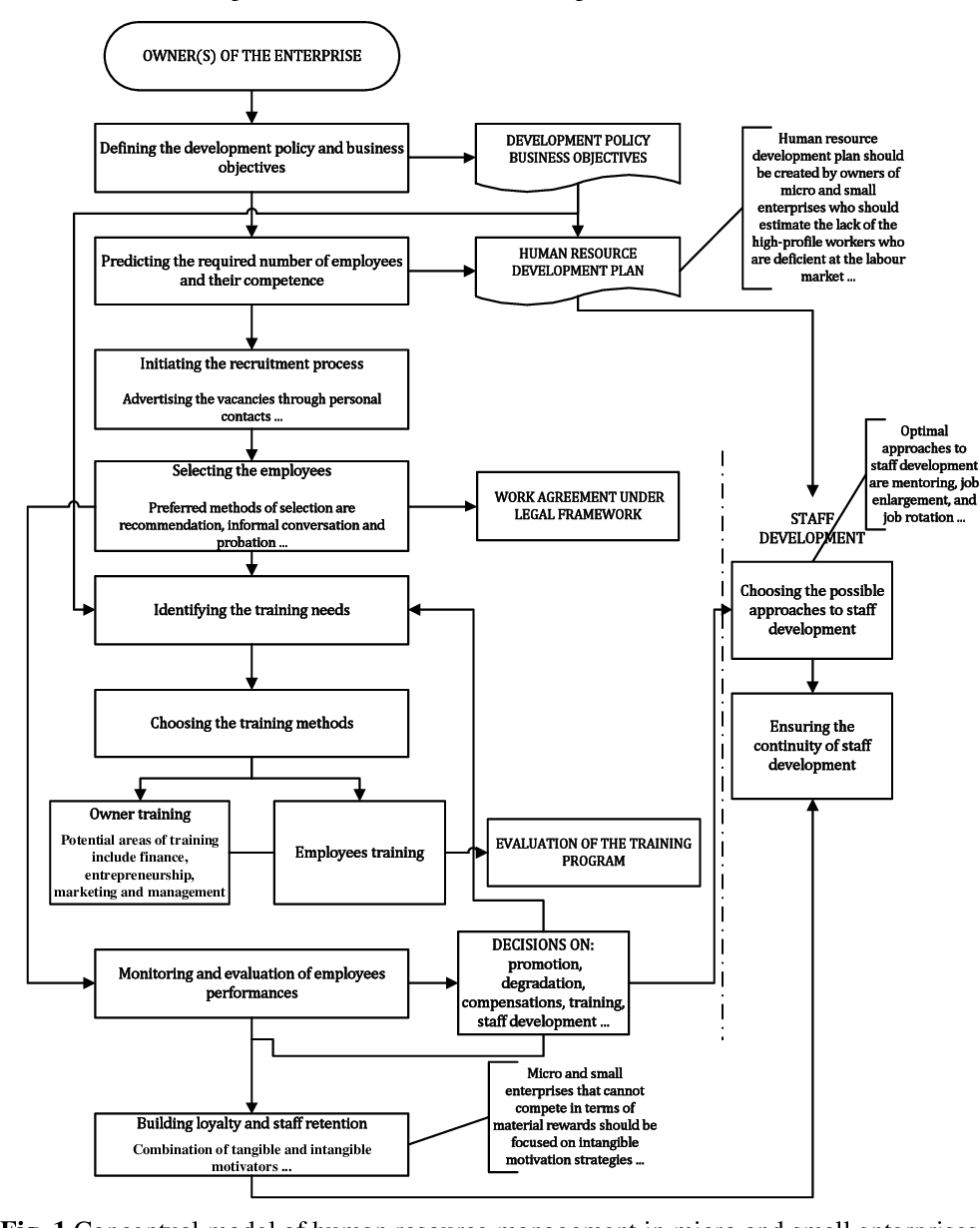
Based on the case study objectives, the HRM concepts used were in accordance with the best-suited HRM theory and model for MSMEs. Therefore, the researchers selected Poljašević and Petković’s (2013) HRM model for micro and small enterprises (Figure 4) to develop Kak Yus Soya’s HR framework. From the model, five stages were derived and segmented according to fundamental HR functions. The names given to each stage are as follows: employer’s readiness, HR planning, recruitment and selection, training, and appraisal.
Many scholars and academics believed that HR functions in MSMEs were identical; however, Poljašević and Petković (2013) distinguished them based on business capacity; where the approach in small and micro enterprises differs from the approach in medium firms. As a result, the HRM conceptual model developed by Poljašević and Petković (2013) was selected because it was specifically designed for micro-business settings with few employees to manage to begin with, which corresponds to the needs of this case study.
Yus Soya, the data gathering method used was purposive sampling.
Purposive sampling was a form of non-probability sampling in which the researchers selected the population of respondents to participate in the research survey based on their own discretion.
Integrating purposive sampling in a qualitative study means selecting respondents who can provide in-depth and detailed information about the phenomenon under investigation (Lavrakas, 2008). It was very subjective, with the author determining the assessment criteria in advance and evaluating each respondent in relation to the criteria. In accordance with the concept of purposive sampling in qualitative techniques, the data collection procedures employed in this case study included an in-depth interview, document analysis, and observation. In contrast, for this case study’s quantitative technique, purposive sampling was used in a parametric test, which involved determining the arithmetic average (mean) for a series of questionnaires issued to the chosen respondents. In order to implement the purposive sampling in a quantitative technique, a 5-point Likert-scale questionnaire was employed. The respondents used the questionnaire to score themselves, and the results were then analyzed using mean interpretations.
As enlightened in the study of Shiddike and Rahman (2020), case study methodology enquired into a process, program, activity, event or people, which were intended to be covered throughout this paper. Furthermore, Smith (2018) stated that case studies permit the incorporation of diverse evidence sources, such as documents, publications, interviews, observations, and even artefacts. Therefore, these case study theories have become the main features of this paper, combining relevant and related HR studies to illustrate the case from various perspectives.
The case study’s objective was achieved through the use of both qualitative and quantitative data collection. Combining these two methods allowed us to incorporate the need to research relevant HR theories and studies into the case study’s objectives. The following data collection techniques were employed to complete this project: i) In-depth interview, ii) Document analysis, iii) Observation, and iv) Likert-scale questionnaire. The definitions of these methods are as follows:
1) In-depth Interview: Data is collected directly from study respondents to extract opinions, experiences, values, and other aspects relevant to the investigation to accomplish a specific purpose (Showkat et al., 2017).
2) Document Analysis: A method of social research that is an integral component of the majority of triangulation designs that refers to the numerous procedures needed in examining and interpreting data collected through reviewing papers and records important to an investigation (Bowen, 2009). Examples of document sources are public records, private papers, biography, visual documents, minutes of meetings, etc.
3) Observation: A data collection method that systematically describes the social activities, behaviours, and artefacts (Kawulich, 2012). In this case study, the form of observation employed was participant observation. The researchers acted as both observers and participants in the environment under study. This allowed the author to comprehend what was being observed.
4) Likert-scale questionnaire: A Likert scale is a psychometric instrument that enables respondents to select from a variety of categories to describe their thoughts, attitudes, or emotions regarding a certain issue. In this case study, respondents self-rated the Likert scale questionnaire, and mean interpretations were used to analyze the results.
The respondents selected for both techniques were based on a nonprobability sample assumed to represent Kak Yus Soya. In this case study, respondents were selected from within the company, and the sample size ranges from one to five, depending on the stage. The method of data collection and the number of respondents at each stage are detailed in Table 1:
| Stage | Activity | Deliverable | Data collection technique | Type | No. of respondent |
|---|---|---|---|---|---|
| 1-Employer’s readiness | To gauge the employer’s readiness level to systematic HRM practice | Objective 2 | 5-point Likert-scale questionnaire | Quantitative | 1 |
| 2-HR planning | Manpower planning | Objective 1 | In-depth interview | Qualitative | 1 |
| Employee compensation planning | Objective 1 | Document analysis | Qualitative | Not applicable | |
| Study on employees’ needs & satisfaction | Objective 2 | 5-point Likert-scale questionnaire | Quantitative | 5 | |
| 3-Recruitment & Selection | To introduce standard recruitment and selection procedures | Objective 3 | Document analysis | Qualitative | Not applicable |
| 4-Training | To identify focused areas to be trained; for the owner and employees | Objective 3 | Observation | Qualitative | Not applicable |
| 5-Appraisal | To identify the most simplistic appraisal method suitable for HRM beginner | Objective 3 | Document analysis | Qualitative | Not applicable |
To achieve Objective 1: To Analyze Kak Yus Soya’s Current HR Practices, the researchers interviewed the business owner in depth and reviewed the material pertaining to existing remuneration practices. Both techniques of data collection were used to conduct an HR gap analysis between Kak Yus Soya’s existing practice and the underlying HR framework.
To achieve Objective 2: To Identify Kak Yus Soya’s Readiness Level to Improve its Existing HR Practices, the researchers distributed sets of closed-ended questions to respondents, requesting that they indicate their level of agreement with a given statement on a five- point scale. The researchers concluded the owner’s readiness for a systematic HRM by calculating the average mean of each assessment factor.
To achieve Objective 3: To Propose the Most Suitable HR Framework with HR Activities that Fits Kak Yus Soya’s Business Settings by Comparing its Current HR Practices with the Established HR Model, the researchers employed a combination of qualitative methods, including an examination of published sources, such as papers and studies by prior researchers, and empirical observation gained from the business environment. In accordance with Poljašević and Petković’s (2013) HRM conceptual model, by closing the gap identified in stages 1 and 2, the development of stages 3: Recruitment & Selection, Stage 4: Training, and Stage 5: Appraisal was initiated.
DATA ANALYSIS AND FINDINGS
This case study was intended to address the HR lacking issues in Kak Yus Soya’s business operation with a suitable HR framework that fitted its business settings. A comprehensive data analysis was performed to provide answers to the case study’s questions and meet the objectives. As such, the information contained in the findings from the data analysis processes was discussed and explained in detail in this section. The findings were arranged according to the objectives of the case study.
Objective 1: To Analyze Kak Yus Soya’s Current HR Practices
The activities to assess Kak Yus Soya’s current HR procedures laid the foundation for determining the areas where the practice was deficient. Such activities were regarded as HR gap analysis, where a comparison study was conducted, taking Poljašević and Petković’s HRM model as the reference. In the model, the critical activities that small enterprises must focus on were “manpower planning,” “employee compensation planning,” “employee needs and satisfaction,” “recruitment and selection,” “training,” and “appraisal.” Thus, the existing HR practices of Kak Yus Soya were analyzed utilizing the same HR functions.
An in-depth interview with Kak Yus Soya’s manager was carried out at stage 2 (HR planning). This interview revealed that the company’s current HR practices were primarily unstructured and lacked the fundamental HR procedures necessary to describe a systematic approach to HR management. Following the interview, details about Kak Yus Soya’s current HR practices were acquired and compiled in
| HR activity (following the HRM model) | Kak Yus Soya’s Current Practice | Summary of Findings |
|---|---|---|
| Manpower planning | Basic delegation of job tasks; Tasks were overlapped and overloaded as a result of employees working to guarantee that the daily output was accomplished. | The importance of having a clear hierarchical structure must be emphasized, as it will benefit the organization in defining job profiles for each business role and avoid overworked and underpaid employees. |
| Employee compensation | Daily rate; RM60/day for working 12 hours per day, six days/week; a total of RM1,440/month; hourly rate of RM5/hour. | An appropriate compensation structure is essential for attracting and retaining personnel. From the perspective of MSMEs, low-level employees must be compensated in accordance with the Minimum Wage Order (MWO) of 2022. |
| Employee needs & satisfaction | Needs: cover basic necessities Satisfaction: never conduct a formal employee evaluation | In light of human resource capitalization, examining employees’ needs and satisfaction is important to develop job policies that effectively support their work-life balance. |
| Recruitment & Selection | Informal (recommendation from friends/relatives) | The standardization of recruiting and selection procedures is required to facilitate the selection of acceptable-quality individuals through a systematic process. |
| Training | In-house training only for the production part. | A company’s efficiency depends on its employees’ skills and expertise. HR training needs should be assessed from various perspectives, not only those related to core company activities. |
| Performance appraisal | Nothing in place | Employee performance should be evaluated in order to guide them toward further growth and to keep them motivated and competitive in the workplace. |
Martin (2016) emphasized the importance of job segregation in business operations. In order to decrease the likelihood of dishonesty, waste, and mistake, job segregation was an example of internal control restricting an employee from performing two or more tasks simultaneously in a business process. From the data gathered above, it could be seen that Kak Yus Soya’s current manpower planning did not have distinct segregation between each job function, resulting in employees being assigned overlapping and overloaded job functions. To our understanding, Kak Yus Soya currently paid its employees RM60 for working 12 hours per day, six days per week, which equated to RM1,440 per month at the hourly rate of RM5. The interview revealed that the present compensation scheme was only good enough to cover basic needs such as food, clothing, and a place to live. However, it indicated that Kak Yus Soya was on track to meet the current minimum wage order (MWO) 2022, which required companies with at least five employees to pay their employees RM1,500 per month (Ministry of Human Resources, Malaysia, 2022). The implementation of minimum wage in small businesses can raise employee engagement, motivation and productivity, leading to higher company profitability; nevertheless, it impacts their cash flow, increasing their expenses (Hanim Rusly et al., 2017). However, there is a good possibility that even a small pay raise will reduce absenteeism and employee turnover. Additionally, it would help the economy as a whole by stimulating consumer demand and promoting consumer spending, which would boost company profits and consequently promote economic growth (Lopresti & Mumford, 2016).
Furthermore, Kak Yus Soya did not set any standards for the people who should be hired. As a result, they were not on track to improve their current HR system or business operations. Its recruitment and selection methods were likewise substandard, owing to a lack of initiative in identifying and hiring qualified candidates. Morris Bixby (2017) emphasized that hiring the right person could save money and increase business efficiency. Kak Yus Soya preferred to “follow your intuition” when hiring employees and relied on word-of-mouth recommendations from friends and relatives. However, hiring the best competent personnel from the start ensured that new hires were equipped to perform successfully and contribute to the organization (Heathfield, 2021). As a result, it may result in high-quality work culture and atmosphere that could motivate other employees to succeed.
Moreover, looking at its current practice, Kak Yus Soya seemed unconcerned about employee retention or how crucial it was to do so. For Kak Yus Soya, every employee was free to decide whether to stay with the company or pursue betterment for themselves. From the researchers’ perspective, Kak Yus Soya failed to embed a sense of belonging in the employees. Employees did not feel their importance in the company as there was no improvement system through training or appraisal in place, leading them to seek a more enjoyable workplace for job satisfaction. A sense of belonging in employees could create comfort, connection, and contribution. When an employee feels comfortable at work, he or she will feel connected through meaningful relationships with other employees and the business goals that eventually bring them to contribute to meaningful outcomes (Deloitte, 2021).
The interview, which was conducted in accordance with the HRM model, elicited Kak Yus Soya’s concerns about the salary structure, training requirements, and appraisal system, which aided Kak Yus Soya in establishing a good hierarchical structure and revealed two perspectives: managerial and non-managerial roles. According to the theme development, the HRM framework for Kak Yus Soya encompassed both the managerial and non-managerial roles from their respective points of view. Figure 5 depicts the coding of interview themes from the simplest to the most complicated ones.
Figure
The figure itself is in the PDF version.
Objective 2: To Identify Kak Yus Soya’s Readiness Level to Improve its Existing HR Practices
Objective 2: To Identify Kak Yus Soya’s Readiness Level to Improve its Existing HR Practices
This case study objective was accomplished when stages 1 (employer’s readiness) and 2 (HR planning) were completed. Stage 1 studied the lacking factors from the owner’s standpoint, and stage 2 assessed the factors from Kak Yus Soya’s existing HR practices.
At stage 1, the agenda of analyzing Kak Yus Soya’s readiness appeared important to determine areas to focus on for its improvement in HR practices. Good HR management was majorly contributed by the competency of the business’s top management, in which the business was impossible to move forward without the top management having the right skill set. As such, the results from this activity provided us with the direction to pursue to drive organizational change preparedness for Kak Yus Soya.
In order to evaluate Kak Yus Soya’s readiness for better HR management, five variables were used: i) computer and information and communication technology (ICT) literacy, ii) vision and mission awareness, iii) HR management awareness, iv) organizational structure, and v) leadership traits. All data for all variables were gathered through an in-depth interview coupled with a 5-point Likert-type scale questionnaire, with 1-representing “very poor,” 2-representing “poor,” 3-representing “acceptable,” 4-representing “good,” and 5-representing “very good.” Only one respondent was involved at this stage, Yusniha Yusof, the proprietor of Kak Yus Soya. Subsequently, the computed mean for each variable is shown in Table 3 below:
| Variable | Mean | Level |
|---|---|---|
| Computer and ICT literacy | 2.90 | Acceptable |
| Vision and mission awareness | 3.30 | Acceptable |
| HR management awareness | 2.30 | Poor |
| Organizational structure | 2.30 | Poor |
| Leadership traits | 3.30 | Acceptable |
| Average mean | 2.80 | Acceptable |
Following that, the interpretation of the mean ranges above followed the study of Bringula et al. (2012), as shown in Table 4:
| (Source: Bringula et al. (2012) | ||
|---|---|---|
| Scale | Mean Range | Level Interpretation |
| 5 | 4.51 - 5.00 | Very Good |
| 4 | 3.51 - 4.50 | Good |
| 3 | 2.51 - 3.50 | Acceptable |
| 2 | 1.51 - 2.50 | Poor |
| 1 | 1.00 - 1.50 | Very Poor |
After examining all areas of the employer’s preparedness, it was reasonable to conclude that Kak Yus Soya’s preparedness level was mediocre, with an average mean of 2.80 out of 5.00. Following the computed results in Table 3, three primary problems should be prioritized moving forward: “HR management awareness,” “organizational structure,” and “computer and ICT literacy”. With the identification of these lacking areas, one of the case study objectives was met, which was to identify the factors contributing to Kak Yus Soya’s poor HRM practice.
Following that, we assessed the areas where the present HRM system fell short at stage 2. The activities to determine such areas were carried out by examining employees’ satisfaction on eleven factors concentrating on Kak Yus Soya’s existing HRM practices (Table 5). After the data analysis process was completed, the present HRM system was found to be weak in “management and leadership” and “benefit and compensation”. According to the employees’ needs and satisfaction, these two areas provided the least comforting qualities. These circumstances happened because the employees did not feel connected to the business objectives since they were not effectively informed and exposed to the employers where they were also expected to be remunerated relatively following the examples from businesses in the same industry.
| Aspect | Mean | Sentiment Level |
|---|---|---|
| Job satisfaction | 3.90 | Good |
| Job retention | 3.53 | Good |
| Company culture | 3.44 | Acceptable |
| Communication | 4.05 | Good |
| Management and leadership | 2.80 | Acceptable |
| Work environment | 3.40 | Acceptable |
| Workplace wellness | 3.95 | Good |
| Recognition | 3.48 | Acceptable |
| Benefit and compensation | 3.13 | Acceptable |
| Personal growth | 3.53 | Good |
| Work-life balance | 3.37 | Acceptable |
| Average mean | 3.51 | Good |
After reviewing the eleven aspects evaluated in the study related to employees’ needs and satisfaction, the average employee rating was found to be 3.51 out of a possible 5. With “communication” (mean: 4.08) was identified as the highest-rated aspect, and “management and leadership” as the lowest-rated aspect (mean: 2.80). Comparing the score with the mean interpretation, the employees’ needs and satisfaction comprehended at a satisfactory level. When we examined the results from each aspect, the majority of ratings fell within the same range. However, two aspects fell outside the range: the “management and leadership” and the “benefit and compensation” aspects.
Combining results from these two stages revealed the areas in which Kak Yus Soya lagged. Five fell-off areas were discovered: i) HR management, ii) Organizational structure, iii) Computer and ICT literacy, iv) Management and leadership, and v) Benefit and compensation. The identified areas were a mix of the owner’s deficiencies and the current HR system. “HR management”, “organizational structure”, and “computer and ICT literacy” were the identified factors where the owner fell short. Meanwhile, the current HR practices lacked in the area of “management and leadership” and “benefit and compensation”.
It was helpful to identify the lack-off factors to overcome the challenges of having a systematic HR strategy. According to Skinner (2014), critical personnel management problems mostly came from a lack of know-how at top management levels. HRM itself is a broad subject and consists of various components and functions. As such, the researchers believed that when the areas of lack-off were justified, it was easier to navigate the direction for the business to improve its HRM practices. Thus, when the factors that contributed to poor HRM were identified, it was only then that Kak Yus Soya could move forward.
As much as business owners desire to implement a practical and methodical HRM system in their organization, it is equally critical to assess their competency and capability level so that they can communicate realistic goals to the entire organization. Singh and Vohra (2005) stated that even individuals with strong HR knowledge might lack the structure required to support HR functions successfully. Therefore, that made Kak Yus Soya, which lacked HRM experience and knowledge, extremely in need of seeking external assistance to improve in this area, given that no one within the company could provide the essential guidance. HRM is a journey that grows through time; therefore, the key to implementing the correct HRM approach in the organization is first to assess the owner’s readiness.
Therefore, we could conclude that an effective HRM began with the preparedness of the employer, which was correlated with Poljašević and Petković’s (2013) anecdote that put the business owners at the top of their HRM model.
Objective 3: To Propose the Most Suitable HR Framework with HR Activities that Fits Kak Yus Soya’s Business Settings by Comparing its Current HR Practices with the Established HR Model
According to Eaton (2019), an HR framework is a concept that relates to an organization’s strategic plan for administering and coordinating human capital-related business operations. In addition, an HR framework provides the foundation for the connection between good business performance and staff-focused HRM function. The definition aligns with the objective of proposing an HR framework for Kak Yus Soya to drive business expansion through effective human resource capitalization.
In order to establish the conceptual HRM framework for micro- businesses, we conducted a study at the outset of the data analysis process, which led us to Poljašević and Petković’s (2013) HRM conceptual model. Given the absence of many fundamental HR functions and procedures, this case study was developed to incorporate the HR framework that best matches Kak Yus Soya’s competency and comprehension level. As such, while many scholars and academics regard HR functions in MSMEs to be interchangeable, the researchers opted for Poljašević and Petković’s (2013) HRM conceptual model because it was designed following small businesses’ commercial potential. Thus, identifying a suitable conceptual HRM model answered the need to propose an appropriate HR framework for Kak Yus Soya.
The figure itself is in the PDF version.
determining employee pay rates and benefits packages. A business’s ability to pay its employees on par with industry standards shows that the business is financially strong and has opportunities to grow. A sound employee compensation structure will profile the business as stable and give affirmation to existing employees to stay loyal and attract prospective employees to join the company.
researchers believed that if Kak Yus Soya centered its HR practices on “Part II – Contract of Service” of the Employment Act, it would be able to provide its employees with a clear understanding of their roles and responsibilities, as well as foster a sense of belonging and responsibility, which might lead to an increase in employee values. In addition, it protected the company from the loss that would result from an employee quitting without giving adequate notice and helped employees understand the repercussions of doing so.
As for compensation planning, all businesses shall adhere to the Employment Act “Part III - Payment of Wages” and the “Minimum Wage Order 2022”, regardless their business size, when determining employee pay rates and benefits packages. A business’s ability to pay its employees on par with industry standards shows that the business is financially strong and has opportunities to grow. A sound employee compensation structure will profile the business as stable and give affirmation to existing employees to stay loyal and attract prospective employees to join the company.
Robak et al. (2016) stated that a well-structured work arrangement is one of the most fundamental markers of work-life balance for employees of SMEs. Robak et al. (2016) added that work factors such as job satisfaction, commitment, organizational identity, loyalty, and quality of life in the workplace are identified as important by management theorists and HR practitioners looking to expand their influence on employee motivation. “Part XII of the Employment Act” addresses issues such as rest days, hours of work, holidays, and other conditions of service. If an employer complies with these provisions, it will be possible for employees to strike a healthy work-life balance, which is relevant to the issue of how employees should balance their professional and personal lives.
As a result, we can claim that HR operations are developed in line with industry norms that underpin the Employment Act, thus making it possible for an organization to offer employees a high level of satisfaction and motivation, which, in turn, promotes employee retention and productivity.
The subsequent stages 3, 4, and 5 were the complementing stages that completed the HR framework as a whole. Stage 3 introduced a formal procedure to recruit talents and a guideline for selecting a quality candidate; Stage 4 outlined the training areas necessary to overcome the inefficiency of HRM in Kak Yus Soya as well as in its business operations; Stage 5 structured the performance management process to manage the appraisal system for Kak Yus Soya.
In Stage 3 (Recruitment and Selection), a recruitment decision model was proposed (Figure 7). The model provided the structure for a thorough analysis that took into account every aspect of the Malaysian business environment as described in Abraham et al.’s (2015) research paper, that is, from candidate selection to decision-making. There were three stages to completing the recruitment process. In the first stage, the organization must first identify the positions that needed to be filled before promoting the opening on various job-searching websites, including social media (Abraham et al., 2015).
In the second stage, the company was required to keep track of the status of the potential applicants by screening them according to the fundamental requirements, which included qualification, experience, and locality (Davidson. 2011). After that, the remaining candidates who had been shortlisted were to be invited to an interview, which was a significant part of the recruitment process as it involved contact between the candidates and the recruiters (Abraham et al., 2015). Self-presentation and candidates’ capacity to answer queries were the two characteristics that were majorly considered during the selection process (Ahmed Butt & Zeb, 2016).
At the third and final stage, a hiring decision was made, which activated the beginning of an evaluation procedure to determine whether or not the newly hired employee was able to adjust to the actual working environment (Abraham et al., 2015).

areas and the target participants for Kak Yus Soya to pursue.the essential training areas and the target participants for Kak Yus Soya to pursue.
| Training area | Description | Target participant |
|---|---|---|
| Generic skills | ▪ Numeracy and literacy ▪ Verbal and written communication ▪ Office administration ▪ IT user skills | Employer Employee |
| Management skills | ▪Business planning ▪Regulations and quality control ▪ Good Manufacturing Practice ▪Motivate skills | Employer |
| Routine skills | ▪ 5S ▪ Food handling procedure | Employer Employee |
| Technical skills | ▪ Maintenance of machinery | Employee |
| Social | ▪ Customer handling | Employee |
| Entrepreneurial skills | ▪ Networking ▪ Bargaining skills | Employer |
| Training area | Description | Target participant |
|---|---|---|
| Generic skills | ▪ Numeracy and literacy ▪ Verbal and written communication ▪ Office administration ▪ IT user skills | Employer Employee |
| Management skills | ▪Business planning ▪Regulations and quality control ▪ Good Manufacturing Practice ▪Motivate skills | Employer |
| Routine skills | ▪ 5S ▪ Food handling procedure | Employer Employee |
| Technical skills | ▪ Maintenance of machinery | Employee |
| Social | ▪ Customer handling | Employee |
| Entrepreneurial skills | ▪ Networking ▪ Bargaining skills | Employer |
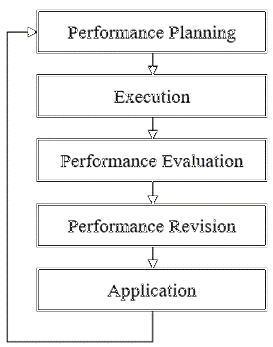
In Stage 5 (Performance Appraisal), in order to establish productivity in the company, the researchers proposed a closed-loop performance management system (see Figure 8). There were five stages in this system: i) performance planning, ii) execution; iii) performance evaluation; iv) performance review, and v) application. With this system, Kak Yus Soya can encourage two-way communication, monitor employee actions, offer feedback, and motivate, support, and encourage people to do their work according to performance standards.
With this system, Kak Yus Soya can encourage two-way communication, monitor employe actions, offer feedback, and motivate, support, and encourage people to do their work according t performance standards.
Execution
Employees who were directly involved in the appraisal process were assigned tasks and duties during the execution stage so that the appraisal goals could be realized (Na-nan, 2016). According to Na-nan (2016), this stage was completed by fostering two-way communication, monitoring employee actions, offering feedback, motivating, supporting, and encouraging people to do their work according to performance standards.
Performance Evaluation
This stage involved evaluating personnel based on the standards or criteria established in the performance planning step. This type of evaluation focused on how well people performed their tasks and how they acted in connection to the goals of the firm. It could be accomplished in a variety of ways (Zheng et al., 2012).
Halacheva (2016) underlined that most small enterprises used conventional performance evaluation techniques, such as the ranking method, the application of critical incidents, and the graphic rating scale. Since it took less time and effort to evaluate and little time to gather the information needed for decision-making, Halacheva (2016) recommended the ranking method for companies with fewer employees.
In the direct ranking approach, employees were evaluated from the best to the worst. First, the assessor gave each employee a score based on the evaluation standards, such as 1 to 5, with “1” denoting extremely poor performance and “5” denoting excellent performance. The scores from each criterion were then added to determine the final score. By dividing the overall score by the number of evaluation criteria, the average score for each employee was calculated. The mean scores were then organized in ascending order to define the employees’ rank.
Performance Review
In this process step, the employer and the employees got together for a talk to go over the performance outcomes and compared and contrasted their perspectives. In this case, the evaluator prepared the results of workers’ evaluations and displayed proper etiquette when addressing the employees’ performances and the behaviours that either fell short of or exceeded expectations, the evaluator prepared the results of their employees’ evaluations (Na-nan, 2016). This part of the process might be carried out in a casual environment and away from the presence of other workers.
According to Na-nan (2016), performance reviews should ideally be carried out on a biannual basis at the very least. However, the frequency might change depending on the conditions or surroundings of the situation. As a result, this stage could not be missed as it was an essential component that contributed to the success of development plans.
Application
Application was the final phase in a performance management
process. Here, all performance results criteria were addressed, and the data from this phase would be used in the next performance management process, which was decision-making (Aguinis, 2013). For instance, the findings could be utilized to improve an employee’s performance by assisting the company in picking the most suitable training programmes to address the performance gaps.
In addition, it provided a platform for each employee to be challenged to improve communication between the business and employees, as well as among the employees. As a result, it facilitated the development of relevant leadership abilities for the projects at hand, as well as the collective and individual motivation of employees (Chaola et al., 2015).
Thus, the combination of these five stages constituted a comprehensive HR framework that encompassed the factors that had the potential to modify the entire organization, namely, communication, feedback, managerial capability, systematic growth, and recognition of future leaders (Watts, 2015). The HR framework provided room for effective communication within the company’s workforce through a scheduled appraisal system, with feedback anticipated at the end of the process. Moreover, it led to exposure to improved management and leadership skills, in which, throughout the process, leaders learned how to manage their employees. Respectively, it would encourage employees’ continual improvement and could sustain a performance culture that subsequently recognized the talents of future leaders within the company itself.
LIMITATIONS OF STUDY
The subject matter of this case study, Kak Yus Soya (both the employer and the employees), had trouble understanding the fundamental HR terminology, and it was difficult to convince them to view the entire process from the perspective of changes. These two factors contributed to the limitations of this case study.
They were never exposed to a typical HR procedure, which made it difficult for them to comprehend the commonly used HR terminology and concept in the industry. Many terms, such as appraisal, job retention, continuous development, and competency, appeared foreign to them and required simplification. This could have also been contributed to the fact that most of them had a low-level educational background. As such, getting them to understand what they were being evaluated for was challenging.
Apart from that, the big picture of proposing the HR framework to Kak Yus Soya was to lead them into organizational changes for business expansion. However, creating a mindset of change throughout the organization was difficult. Moreover, they had been in their comfort zone for so long that the prospect of change was daunting. Consequently, they believed that implementing HRM would increase operational expenses and necessitate a great deal of work.
RECOMMENDATIONS
Several suggestions can be adapted for future research. As stated previously, an employer’s preparedness is the key to a successful HR framework; nevertheless, in this case study, only the technical HR activities and functions were evaluated. Therefore, the study can be expanded to include employers’ readiness in behavioural aspects such as conscientiousness, mentality, and emotionality to implement an HR framework into their business operations. The broad goal of the behavioural study is to evaluate the relationship between having the right mindset and the efficacy of the HR framework.
In addition, this case study could further take a different direction to explore the implementation of HR framework in micro-business settings from various business backgrounds, such as the service, agriculture, and tourism industry. The idea of the HRM research study with various business backgrounds is to determine whether there is a substantial difference in business productivity after applying the HR framework in different industries or whether the HR framework serves the same purpose regardless of industry.
CONCLUSION
Based on the findings of this case study, Kak Yus Soya has given recommendations for a suitable HR framework that will aid the company in attaining its business objectives and improving its business management. In addition, it sheds light on the importance of human resource management in micro-businesses and provides some insight into its worth. By identifying the gaps in its current HR procedures, Kak Yus Soya was made aware of the areas in which it lacked and provided with guidance on how to overcome the obstacles. Accordingly, the improvement in its business operations, particularly in HR procedures, must begin with the readiness of the business owner. The owner’s readiness consists of multiple variables, including technical areas such as computer and ICT literacy and managerial skills, as well as entrepreneurial skills, which include leadership and business acumen.
HRM and employee well-being have an interdependent relationship. HRM works both ways, from management to staff and staff to management. Therefore, employee participation is essential. As such, an organization must continually examine how prioritizing employee well-being can boost employee engagement, motivation, and overall job satisfaction. That being said, a strong HRM should evaluate factors like work-life balance, career growth, health and safety, and rewards and recognitions to determine the employees’ needs and level of satisfaction.
Subsequently, all of the above would helped in putting an HR framework in place. It has been determined that in order to establish the HR framework, five primary tasks need to be focused on. They are i) assessing employer readiness, ii) HR planning, iii) selection and recruitment, iv) training, and v) performance appraisal. It appears that these activities affect the development of HR practices inside MSMEs. The inclusion of an HR framework in a micro business can yield a variety of significant results. A comprehensive HR framework improves employee satisfaction by standardizing and simplifying essential HR operations such as hiring, performance evaluation, and career development planning. Furthermore, an HR framework can assist in systematizing the recruitment process and ensuring that the organization selects the best candidates. This may result in higher employee retention and lower turnover.
Simultaneously, the micro-businesses may ensure compliance with all applicable employment regulatory requirements by having a proper HR framework. Consequently, the possibility of legal implications and financial penalties is reduced. Moreover, an HR framework can improve business outcomes by fostering a more predictable and supportive work environment that boosts employee engagement and productivity, thus, increasing output. Ultimately, improved talent management and productivity are the results of implementing a complete HR strategy that allows for the methodical identification, appraisal, and enhancement of each employee’s unique set of competencies.
In conclusion, better business results can be achieved when the HR framework is well-designed, leading to higher levels of employee satisfaction, more efficient hiring procedures, compliance with employment laws, higher levels of productivity, and more effective talent management.
It is anticipated that the results of this case study will provide Kak Yus Soya with the necessary knowledge and skills for the improvement of its business, as well as provide a foundation for further research into the formalization of HR practices for businesses, particularly microbusinesses in Malaysia. As such, a well-structured HRM system must be in place for any firm that wishes to grow.
ACKNOWLEDGMENT
This research case paper submission in the Journal of Business Management and Accounting is made possible through monetary assistance by Universiti Tun Hussein Onn Malaysia via Grant H780 - The Influence of Robotics Technology towards Accounting and Finance Work Process. This paper was presented at the 7th International Case Study Conference (7thICSC 2022) from September 13 to 15, 2022.
References
- Abraham, M., Kaliannan, M., Mohan, A. V., & Thomas, S. (2015). A review of SMEs recruitment and selection dilemma: Finding a ‘Fit’. The Journal of Developing Areas, 49(5), 335–342. https://doi.org/10.1353/jda.2015.0058
- Aguinis, H. (2013), Performance Management. 3rd ed. New Jersey: Prentice Hall: Upper SaddleRiver.
- Ahmed Butt, I., & Zeb, N. (2016). Recruitment and selection decisions of SMEs. International Journal of Management Sciences and Business Research, 5(3), 41–52.
- Anuar, A. R., Wan Mansor, W. N. J., & Hj.
- Din, B. (2016). Cabaran meningkatkan produktiviti syarikat berskala kecil dan sederhana di Malaysia: Kajian mengenai isu kemahiran buruh. Malaysian Journal of Society and Space, 12(4), 26–33.
- Azizi, M. R., Atlasi, R., Ziapour, A., Abbas, J., & Naemi, R. (2021). Innovative human resource management strategies during the COVID-19 pandemic: A systematic narrative review approach. Heliyon, 7(6), e07233. https://doi.org/10.1016/j.heliyon.2021. e07233
- Bakator, M., Petrović, N., Borić, S., & ĐAlić, N. (2019). Impact of human resource management on business performance: A review of literature. Journal of Engineering Management and Competitiveness, 9(1), 3–13. https://doi.org/10.5937/ jemc1901003b
- Belsito, C. A., & Reutzel, C. R. (2019). SME employee performance appraisal formalization and trust in leadership change. International Journal of Organizational Analysis, 28(2), 434–456. https://doi.org/10.1108/ijoa-07-2019-1832
- Boon, C., den Hartog, D. N., & Lepak, D. P. (2019). A systematic review of human resource management systems and their measurement. Journal of Management, 45(6), 2498–2537. https://doi.org/10.1177/0149206318818718
- Bowen, G. A. (2009). Document analysis as a qualitative research method. Qualitative Research Journal, 9(2), 27–40. https://doi.org/10.3316/qrj0902027
- Bringula, R. P., Batalla, M. Y. C., Moraga, S. D., Ochengco, L. D. R., Ohagan, K. N., & Lansigan, R. R. (2012a). School choice of computing students: A comparative perspective from two universities. Creative Education, 03(06), 1070–1078. https://doi.org/10.4236/ce.2012.326161
- Chaddha, S., Khalique, F., & Parimoo, D. (2020). Human capital management and organizational performance: A literature survey. In Industry 4.0 Global Transformational Changes in Business and Management (pp. 1–14). Bloomsbury, Delhi.
- Chaola, P., Pratoom, K. & Raksong, S. (2015), A conceptual model of strategic management renewal orientation and firm performance. Allied academies International Conference. Academy of Strategic Management. Proceedings, 14.2, 18-31.
- Creswell, J. W. (2017). Research Design (5th ed.). SAGE Publications.
- Davidson, J. (2011, July). A qualitative study exploring employers’ recruitment behaviour and decisions: Small and medium enterprises (No. 754). Department for Work and Pensions. http://research.dwp.gov.uk/asd/asd5/rrs-index.asp
- Deloitte. (2021, November 23). Why does belonging matter in the workplace? Deloitte United States. https://www2.deloitte.com/ us/en/blog/human-capital-blog/2021/what-is-belonging-in-the-workplace.html
- de Vos, A., & Willemse, I. (2011). Leveraging Training Skills Development in SMEs: An Analysis of East Flanders, Belgium. OECD Local Economic and Employment Development (LEED) Working Papers. https://doi.org/10.1787/5kg0vsrqwhf5-en
- Dundon, T. (2018). HRM in small and medium sized enterprises (SMEs). In A. Wilkinson (Ed.), Human Resource Management a Critical Approach (2nd ed., pp. 190–208). Taylor & Francis.
- Eaton, E. (2019, August 2). 5 Human resources models every HR practitioner should know. The 6Q Blog. https://inside.6q.io/5-human-resources-models/
- Hanim Rusly, F., Yakimin Abdul Talib, Y., & Salleh, D. (2017b). The impact of minimum pay implementation on small businesses operating cost and sustainability: A case of service business. SHS Web of Conferences, 34, 08006. https://doi.org/10.1051/ shsconf/20173408006
- Halacheva, T. (2016). Methods for performance evaluation of the small enterprises in Bulgaria. SSRN Electronic Journal, 53–55. https://doi.org/10.2139/ssrn.3535019
- Heathfield, S. M. (2021, February 20). 10 best ways to ensure you find the right person for your job opening. The Balance Careers. https://www.thebalancecareers.com/top-tips-for-hiring-the-right-employee-1918964
- Hosen, M. E. (2022). Factors affecting employee turnover in multinational companies in Malaysia. Malaysian Management Journal, 26(July), 31-54. https://doi.org/10.32890/ mmj2022.26.2
- Hung, Y. T., C. Cant, M., & A. Wiid, J. (2016). The importance of human resources management for small businesses in South Africa. Problems and Perspectives in Management, 14(3), 232–238. https://doi.org/10.21511/ppm.14(3–1).2016.09
- Kadiresan, V., Bathusha Hamind, M. B., Selamat, M. H., Jayabalan, N., & Mansori, S. (2016). HR practices and organizational commitment among SME employees which leads to retention. International Conference on Industrial Engineering and Operations Management, 2472–2479.
- Kawulich, B. (Ed.). (2012). Collecting data through observation. In Doing Social Research: A global context (1st ed., pp. 150–160). McGraw Hill.
- Lavrakas, P. J. (2008). Bipolar scale. Encyclopedia of Survey Research Methods. https://doi.org/10.4135/9781412963947.n41
- Lopresti, J. W., & Mumford, K. J. (2016). Who benefits from a minimum wage increase? ILR Review, 69(5), 1171–1190. https://doi.org/10.1177/0019793916653595
- Mulolli, E., Islami, X. A., & Skenderi, N. (2015). Human resource management practices and SMEs performance: Study based in Kosovo. International Review of Management and Business Research, 4(4), 1171–1179.
- Martin, M. J. (2016, October 26). Segregation of duties in sales. Small Business - Chron.Com. https://smallbusiness.chron.com/ segregation-duties-sales-19129.html
- Ministry of Human Resource, Malaysia. (2022, 6th May). Pewartaan perintah gaji minimum 2022. MOHR.Gov.My. https://www. mohr.gov.my/index.php/en/112-kenyataan-media-2019/1676-kenyataan-media-30-04-2022-pewartaan-perintah-gaji-minimum-2023
- Morris Bixby. (2017, March 17). Why is hiring the right person essential? Morris Bixby Group. https://www.morrisbixby. com/2017/03/17/hiring-right-person-essential/
- Na-nan, K. (2016). Performance management for Small and Medium Enterprises (SMEs) in Thailand. International Journal of Economic Research 13(4):1641-1658
- Poljašević, B.Z., & Petković, S. (2013). Human resource management in small and medium-sized enterprises: Conceptual framework. Facta universitatis-series: Economics and Organization, 10(3), 301-315.
- Rashid, S., & Mohd Harif, M. A. A. (2016). Influential financial factors of employee engagement outcomes within SME business in Malaysia: A qualitative study. Journal of Business Management and Accounting, 6(1), 111–125. https://e-journal. uum.edu.my/index.php/jbma/article/view/8853/1654
- Robak, E., Słocińska, A., & Depta, A. (2016). Work-Life Balance Factors in the Small and Medium-sized Enterprises. Periodica Polytechnica Social and Management Sciences, 24(2), 88–95. https://doi.org/10.3311/ppso.8871
- Shiddike, M. O., & Rahman, A. A. (2020). Case Study Method in Human Resource Development: Reviewing the Research Literature. International Business Research, 13(4), 113. https://doi.org/10.5539/ibr.v13n4p113
- Showkat, Nayeem & Parveen, Huma. (2017). In-depth Interview
- Singh, M., & Vohra, N. (2005). Strategic human resource management in small enterprises. The Journal of Entrepreneurship, 14(1), 57–70. https://doi.org/10.1177/097135570401400104
- Skinner, W. (2014, August 1). Managing Human Resources. Harvard Business Review. https://hbr.org/1981/09/managing-human-resources
- SME Bank. (2017, December 27). SME Definition. h t t p s : / / w w w. s m e b a n k. c o m. m y / e n / a b o u t - u s / s m e - definition#:%7E:text=Category,Micro,time%20employees%20 less%20than%205
- SME Corp. (2020, 11th February). Profile of SMEs in Malaysia.https://www.smecorp.gov.my/index.php/en/ policies/2020-02-11-08-01-24/profile-and-importance-to-the-economy
- Smith, P. (2018). Collecting sufficient evidence when conducting a case study. The Qualitative Report, 23(5), 1043–1048. https://doi.org/10.46743/2160-3715/2018.3188
- Virk, G. S. (2017). Role of human resource management in micro, small and medium enterprises (MSME) in India. International Journal of Business Administration and Management, 7(1), 26–34.
- Watts, S. (2015, July 5). What is the most important HR framework? SmartCompany.https://www.smartcompany.com.au/people-human-resources/human-resources/what-is-the-most-important-hr-framework/
- Yuen, Y. Y., & Tan, S. Y. (2019). Retaining talent in Smes Malaysia. International Journal of Scientific & Technology Research, 8(12), 796–800.
- Zheng, W., Zhang, M., & Li, H. (2012). Performance appraisal process and organizational citizenship behavior. Journal of Managerial Psychology, 27(7), 732–752. https://doi.org/10.1108/02683941211259548